01
Give our students the opportunity to enjoy a unique, transformative experience.


Learn languages, discover other cultures, and grow personally and professionally through international educational experiences.
The Samaniego Teaching Cooperative has taken part in Erasmus+ school cooperation and mobility projects, giving students the opportunity to discover new ways of learning, living together, and working alongside students and professionals from other countries.
Quickly see which initiatives are under way and which form part of CES Samaniego’s European journey.
In February 2024, CES Samaniego was awarded Erasmus Accreditation in School Education (KA120-SCH) under the 2023 Call. This accreditation recognises our Erasmus Plan and enables us to pursue a stable mobility and internationalisation strategy throughout the 2024–2027 period.
A roadmap for transforming the educational experience of students and staff.
Give our students the opportunity to enjoy a unique, transformative experience.
Improve the English-language skills of our students and staff.
Improve the digital competence of our students and staff.
Offer more opportunities to students with specific educational support needs (ACNEAE).
Improve opportunities for disadvantaged students.
Raise awareness of and contribute to achieving the Sustainable Development Goals of the 2030 Agenda.
Improve our teachers’ language skills and digital competence, while also strengthening their European awareness.
SEPIE final decision: 16 February 2024.
Here you will find the school’s active initiatives and the documentation relating to the KA121-SCH 2026 accredited mobility project.
The school is delivering two accredited mobility projects. The call for applications, selection criteria and other documentation published on this page relate to the KA121-SCH 2026 project.
CES Samaniego will continue to develop its Erasmus strategy through a new accredited mobility project in School Education. Over fifteen months, it will provide European learning, training, and inclusion experiences for students and staff.
2026-1-ES01-KA121-SCH-000428990Information from the Erasmus+ grant agreement signed with SEPIE · 2026 Call.
CES Samaniego is launching an Erasmus+ mobility with OSNOVNA ŠOLA I in Murska Sobota, Slovenia, for fourth-year ESO students during the 2026/2027 academic year. The activity offers an educational and intercultural experience, opportunities to practise English and shared learning with students at the host school.
Application period: 1–15 October 2026. Submit documents to the School Office, where they will be formally registered. The motivation letter in English will be completed at school.
CES Samaniego is delivering an accredited mobility project in School Education. Following its one-year extension, it will continue to promote European learning, training and inclusion experiences for our school community until August 2027.
2025-1-ES01-KA121-SCH-000312687Information from the Erasmus+ grant agreement signed with SEPIE · 2025 Call.
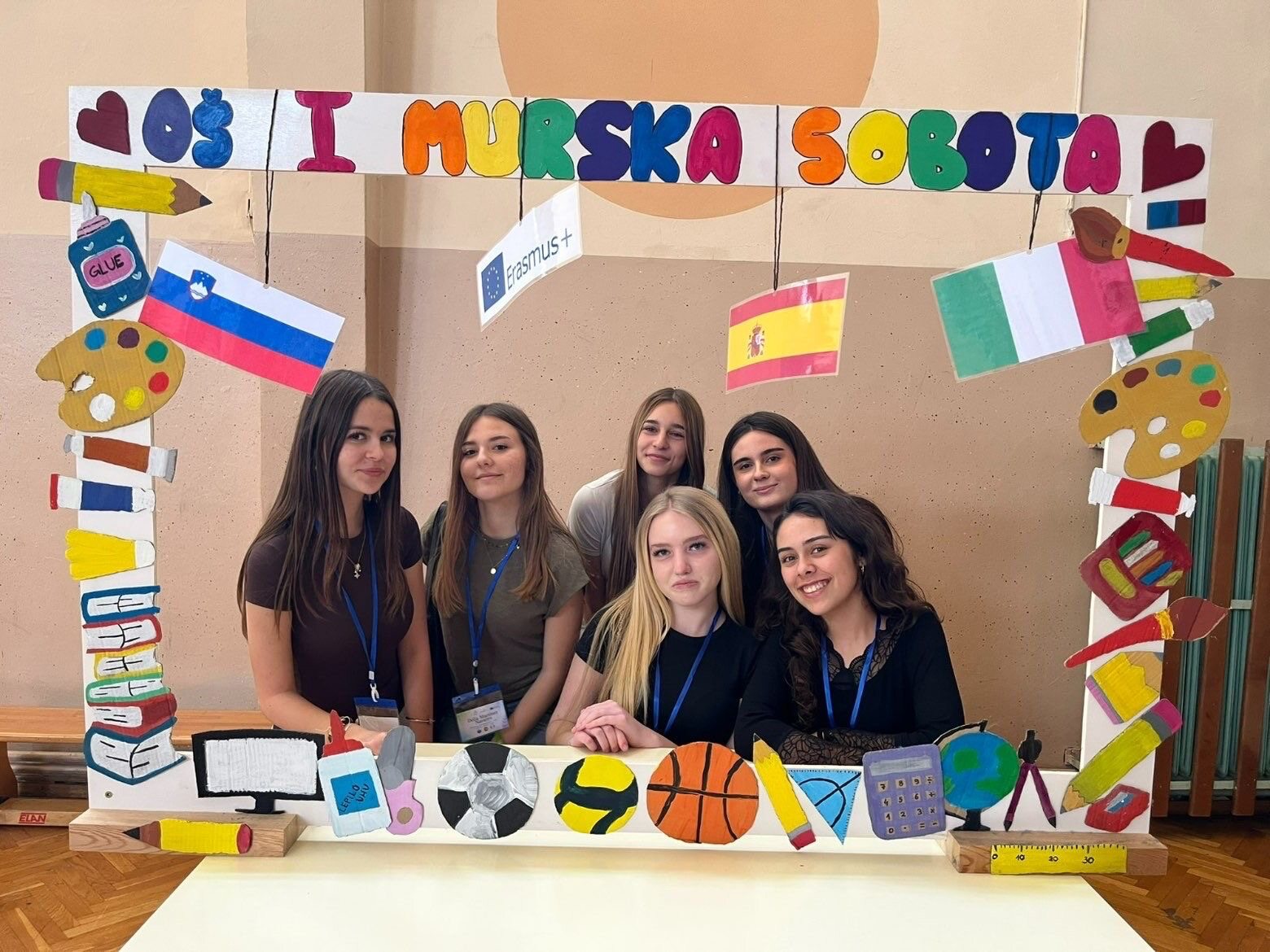
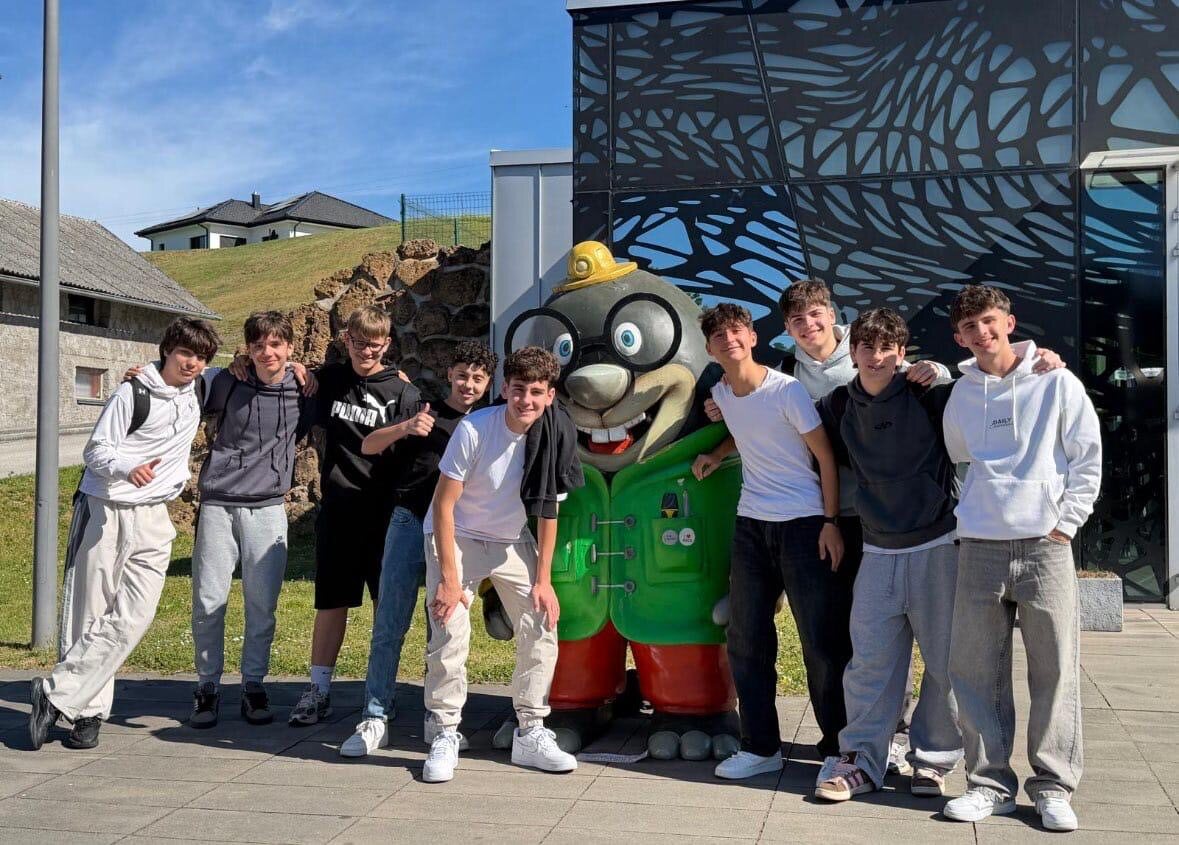
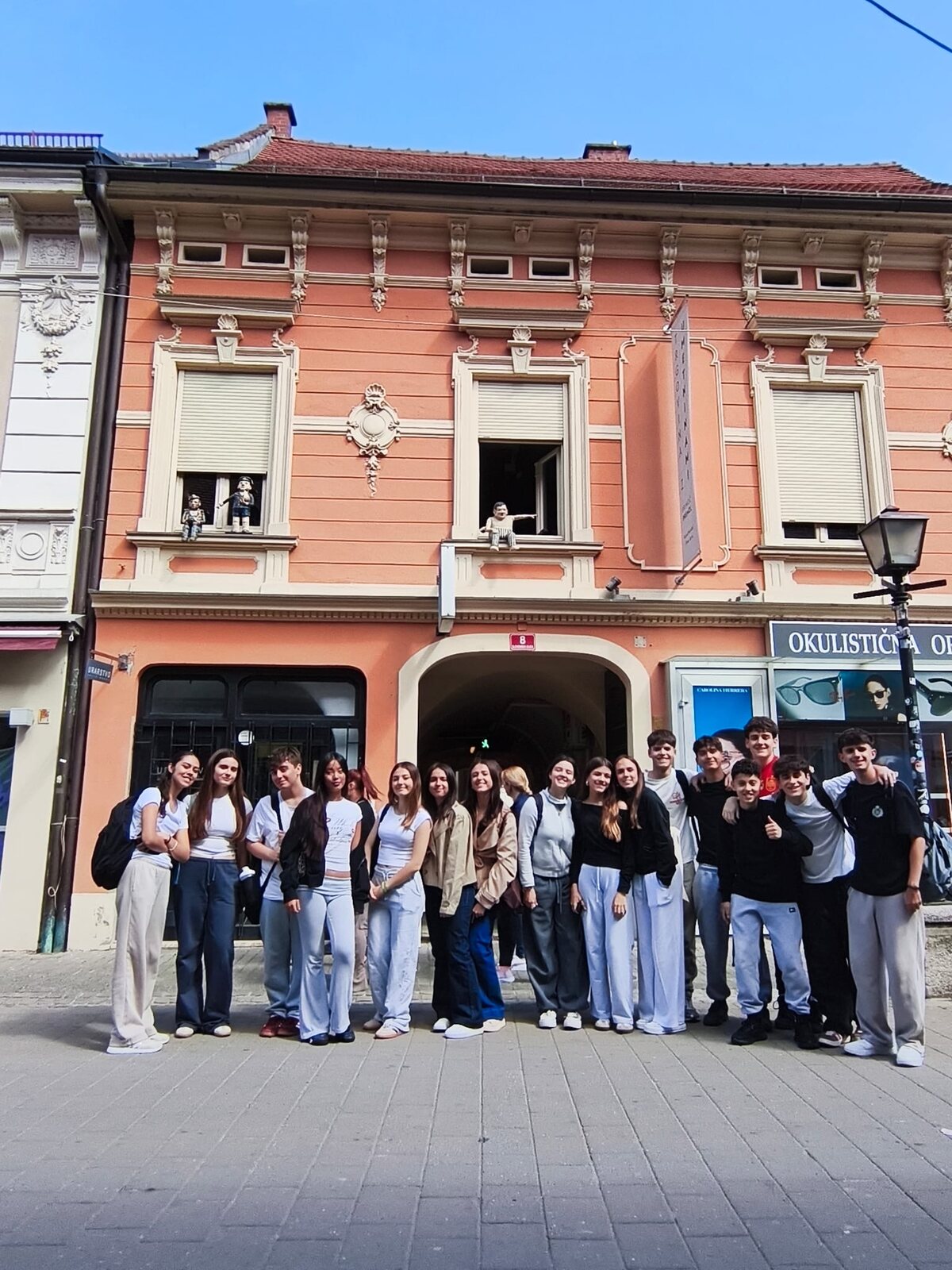
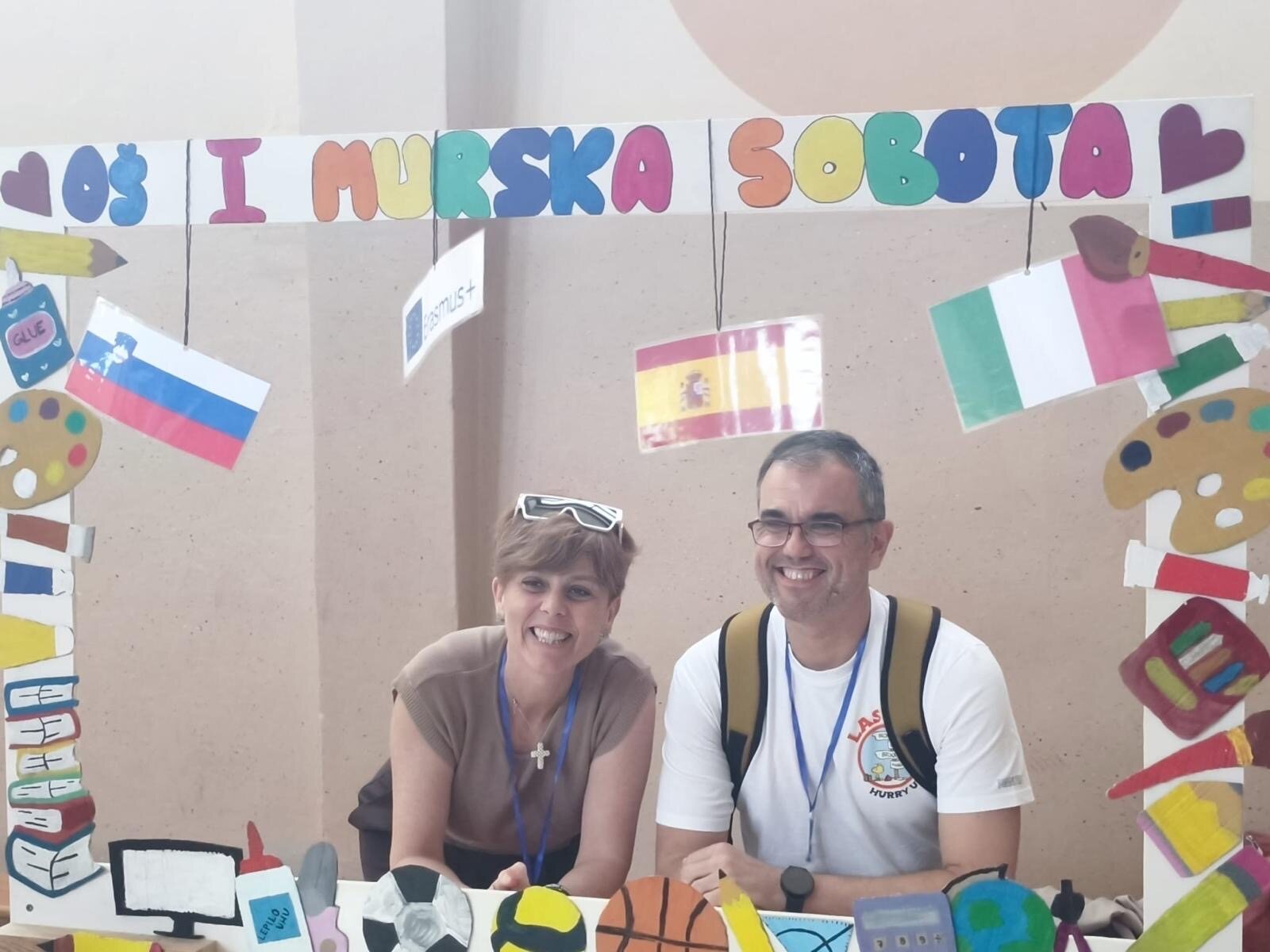
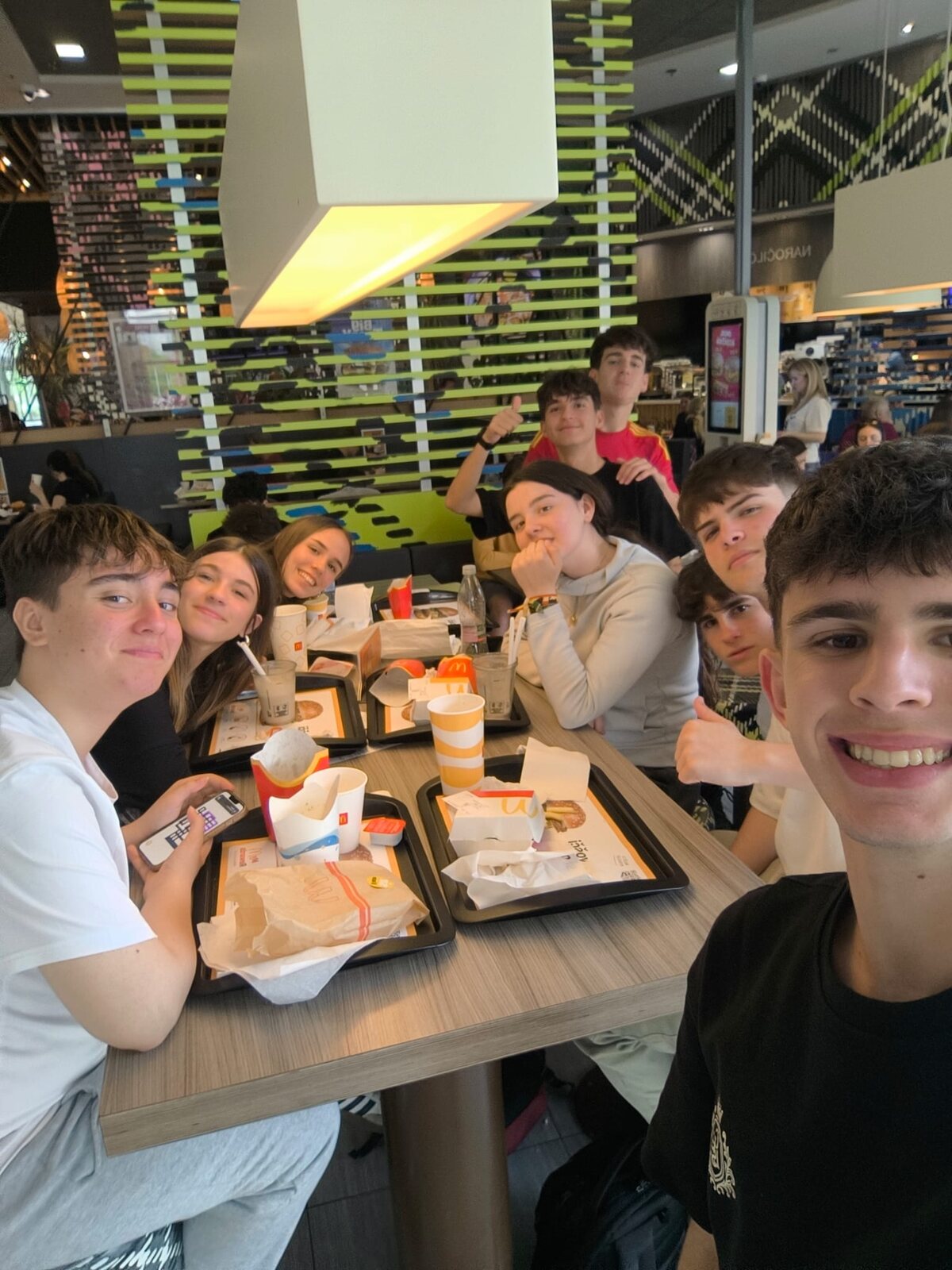
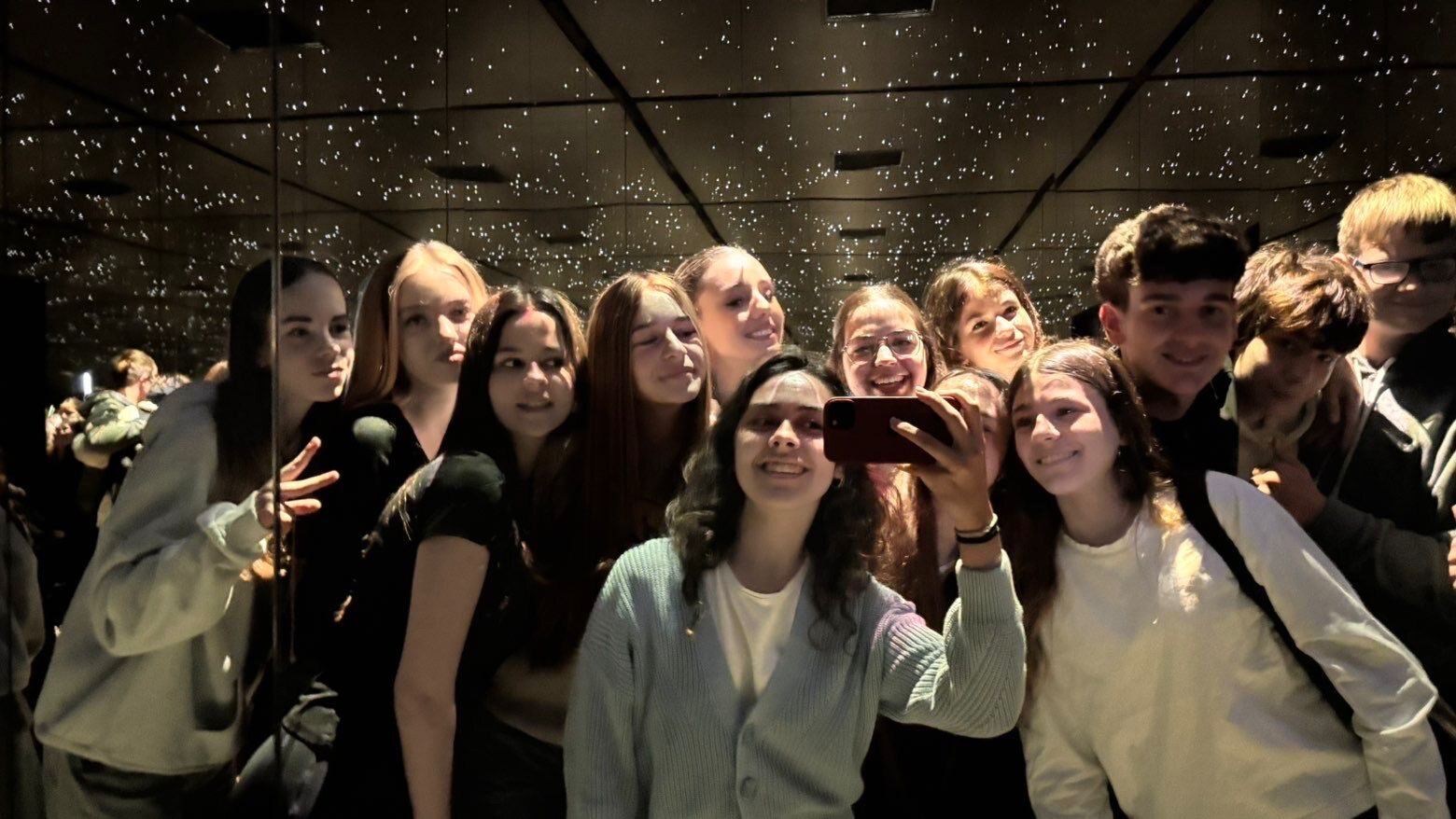
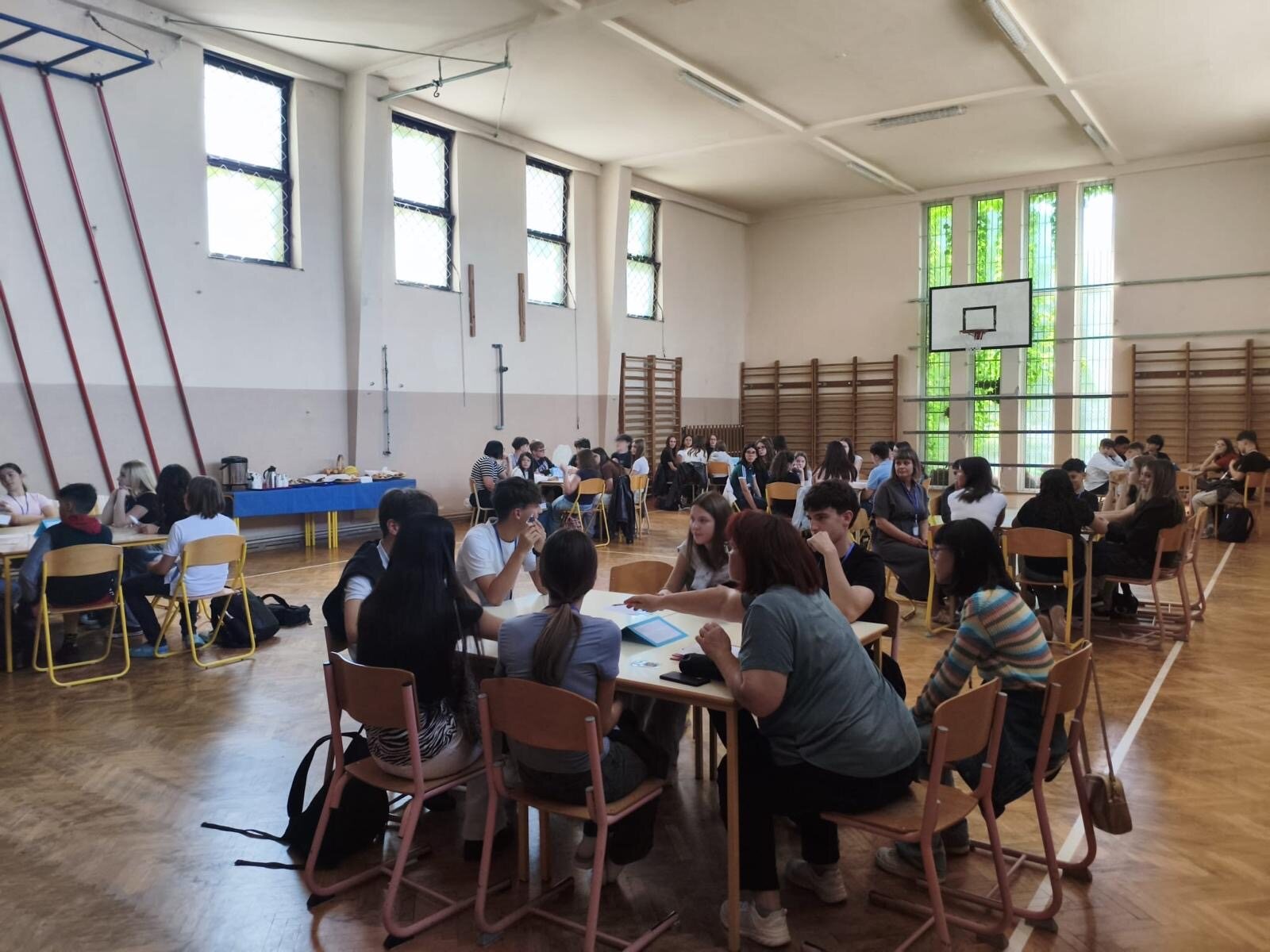
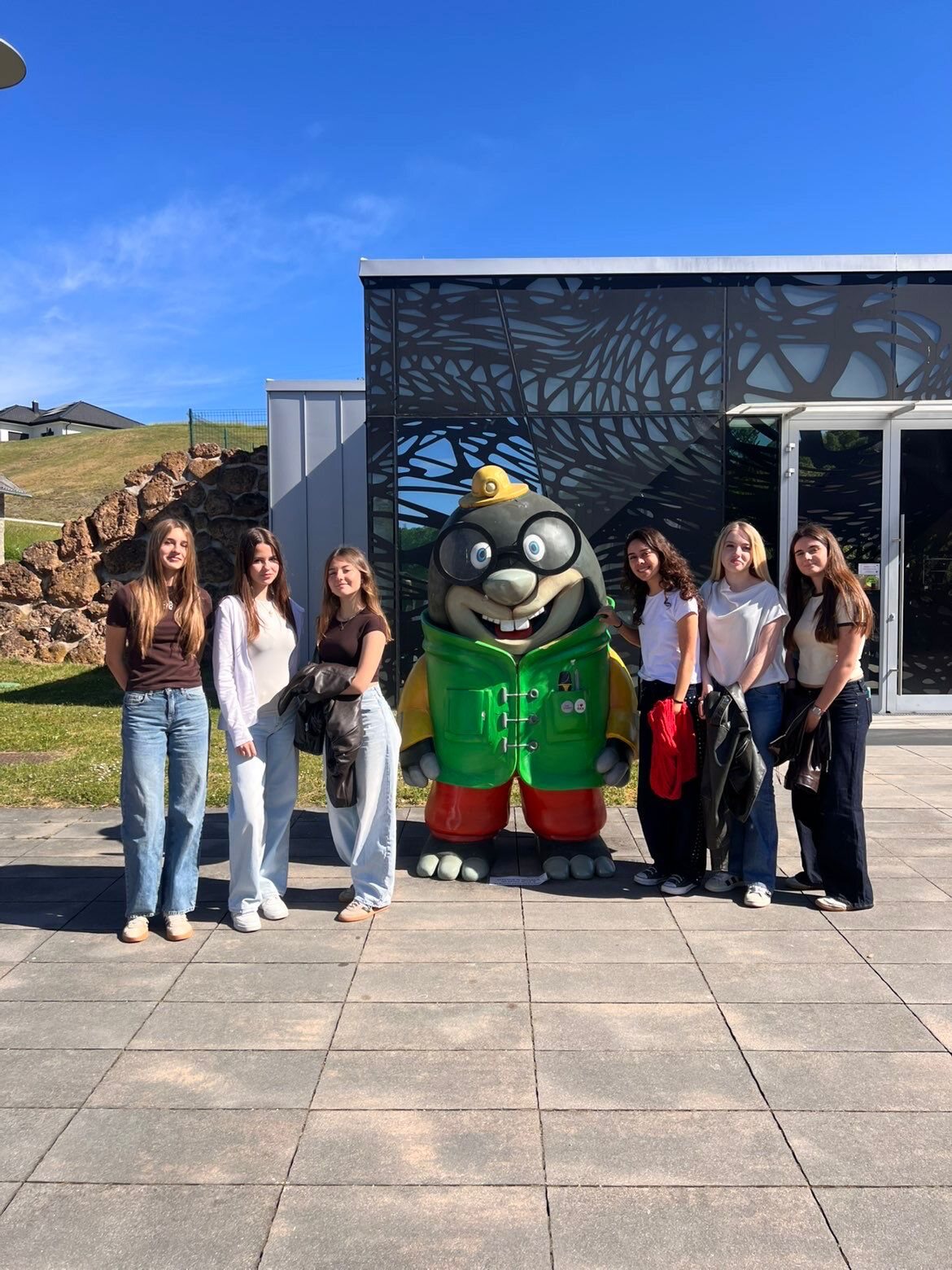
Fourth-year ESO students took part in an Erasmus+ mobility in Slovenia as part of the school’s 2025 accredited project. The experience combined school life, intercultural activities, shared learning and cultural visits, strengthening independence, communication skills and the European dimension of their education.
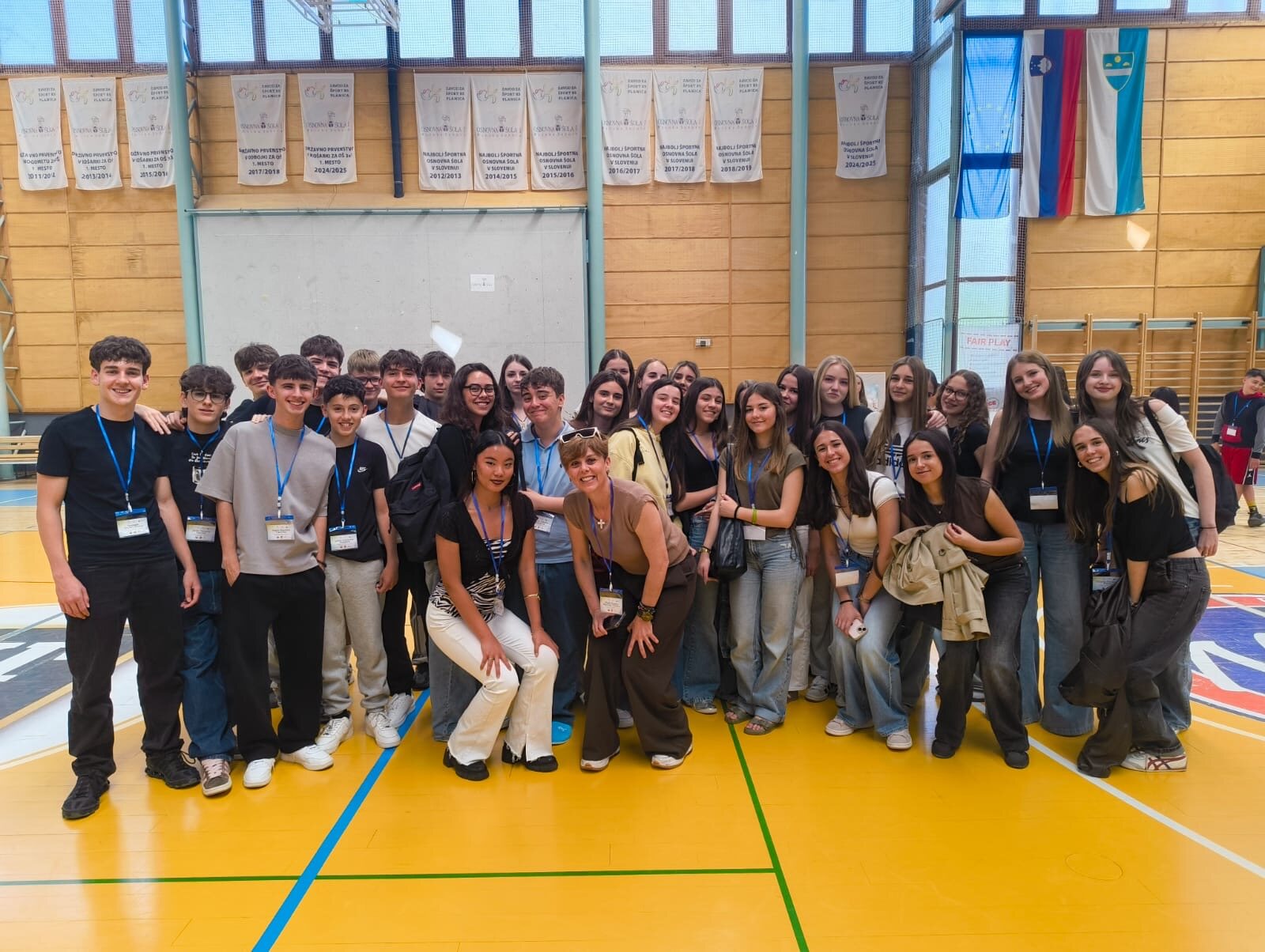
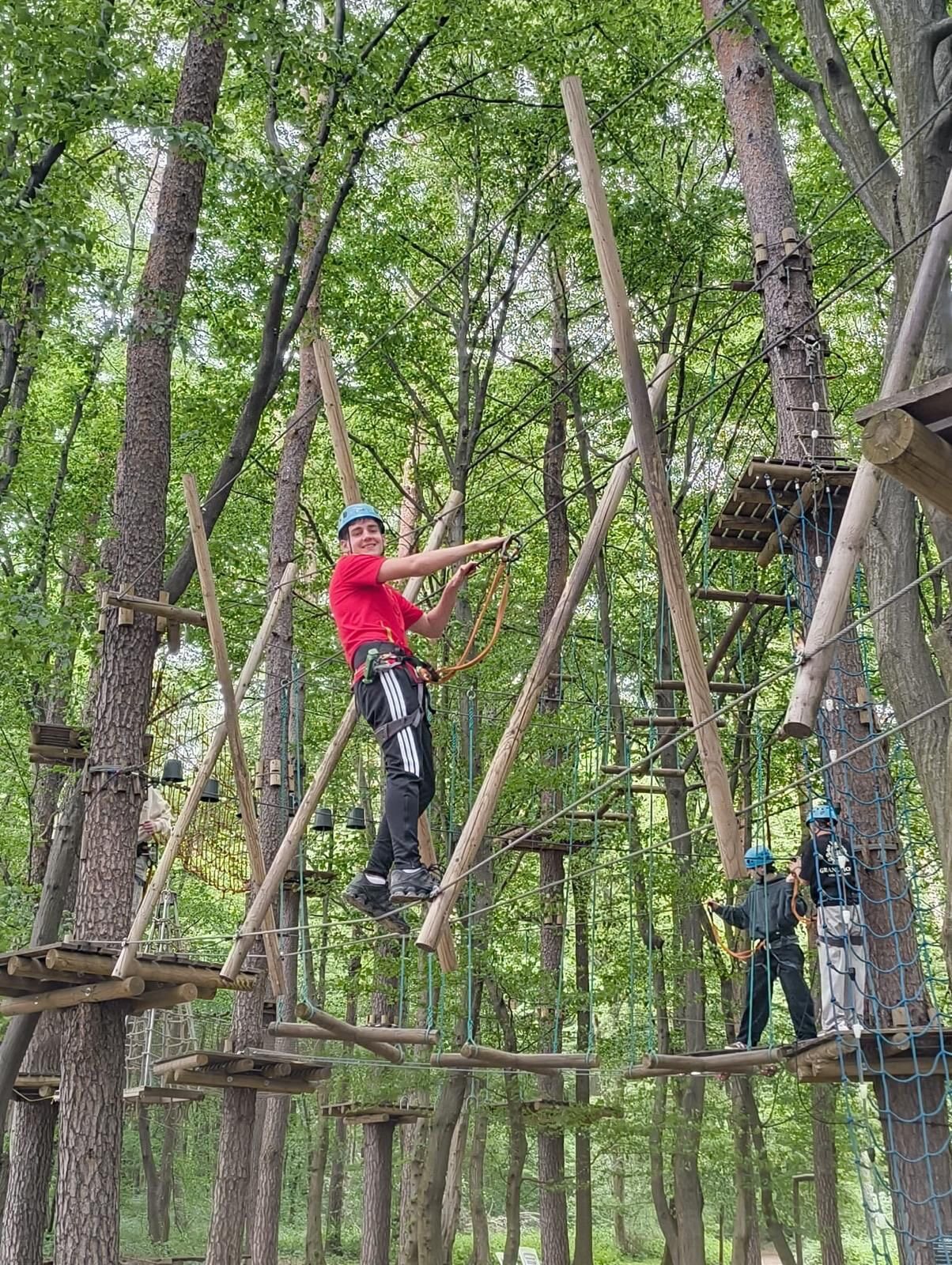
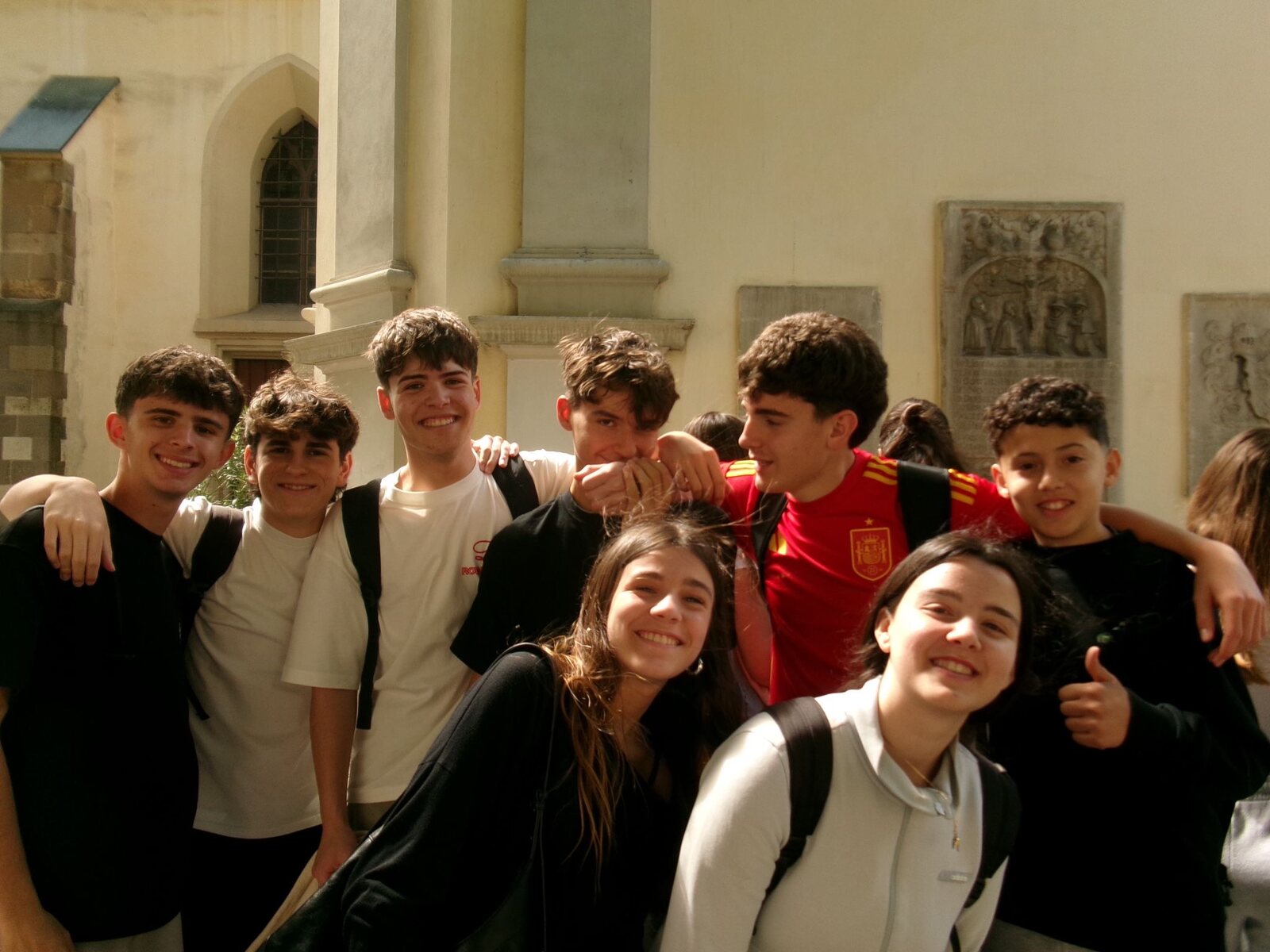
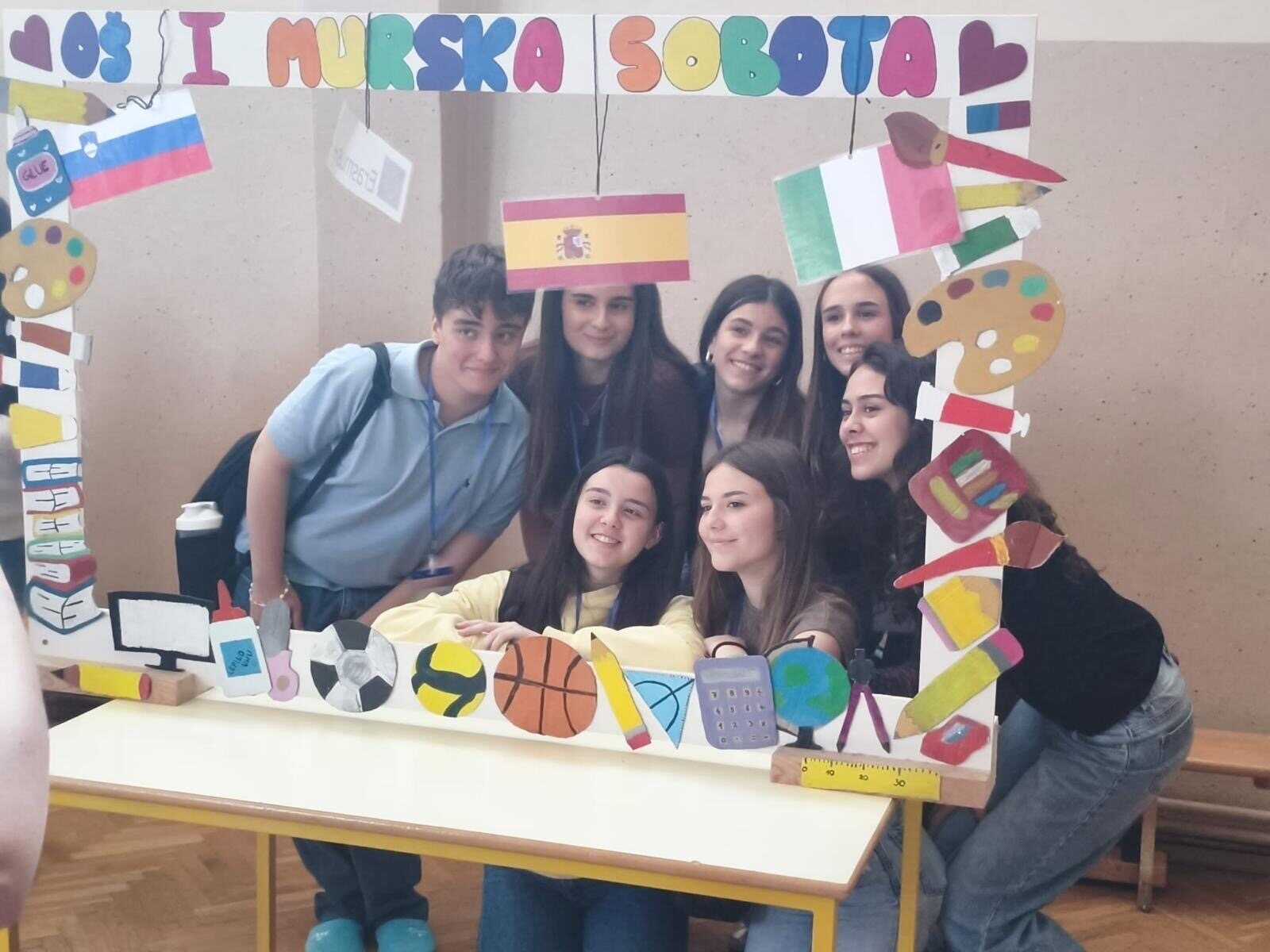
Experiences that have shaped the school’s European journey, ordered from most recent to oldest.
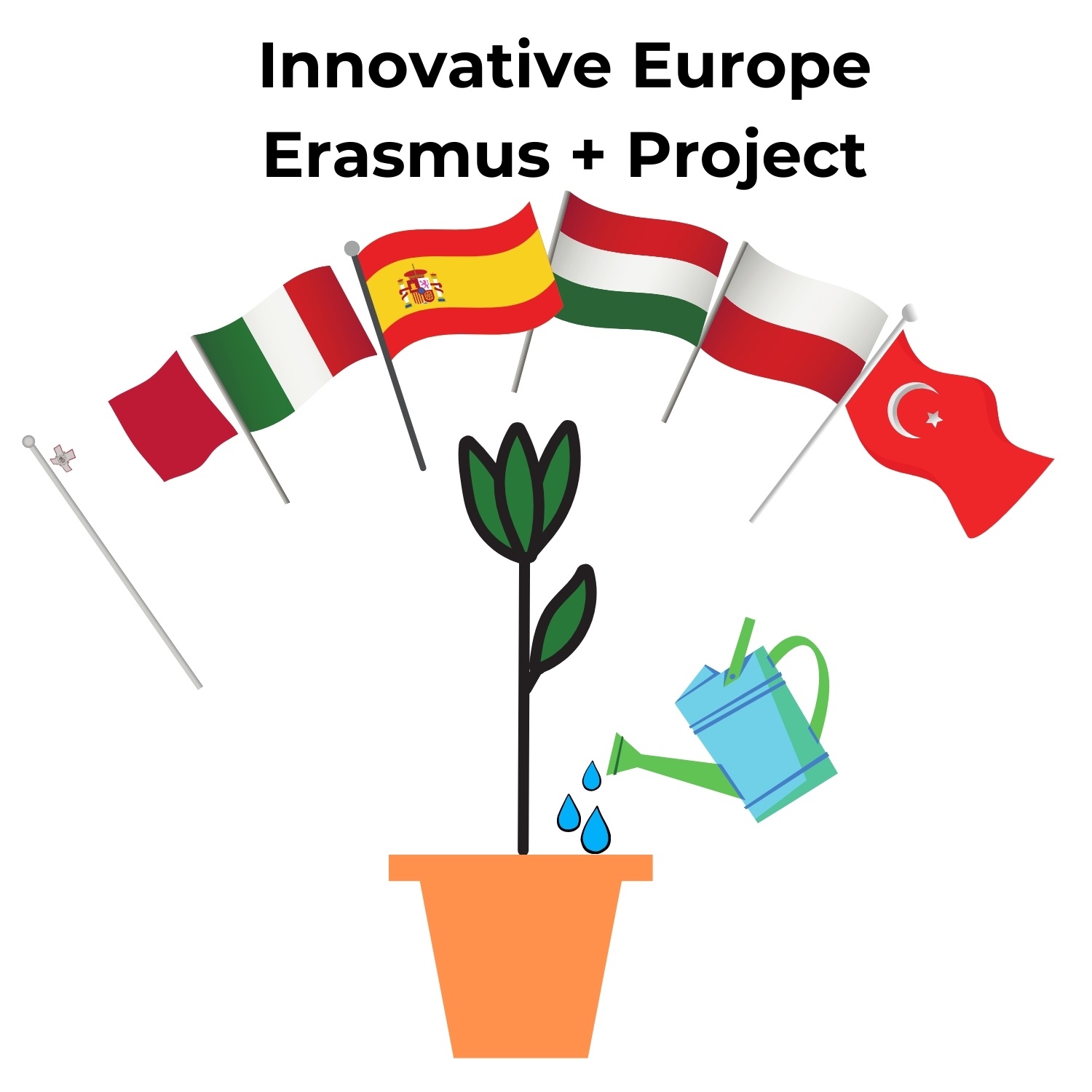
A cooperation project involving schools in Türkiye, Italy, Hungary, Malta, Poland, and Spain. Year 9 students worked with young people from other countries and developed their language, cultural, and social skills.
The initiative, co-funded by the European Union, combined collaborative activities with international mobilities. The first project meeting took place in Poland from 24 to 30 November 2019.
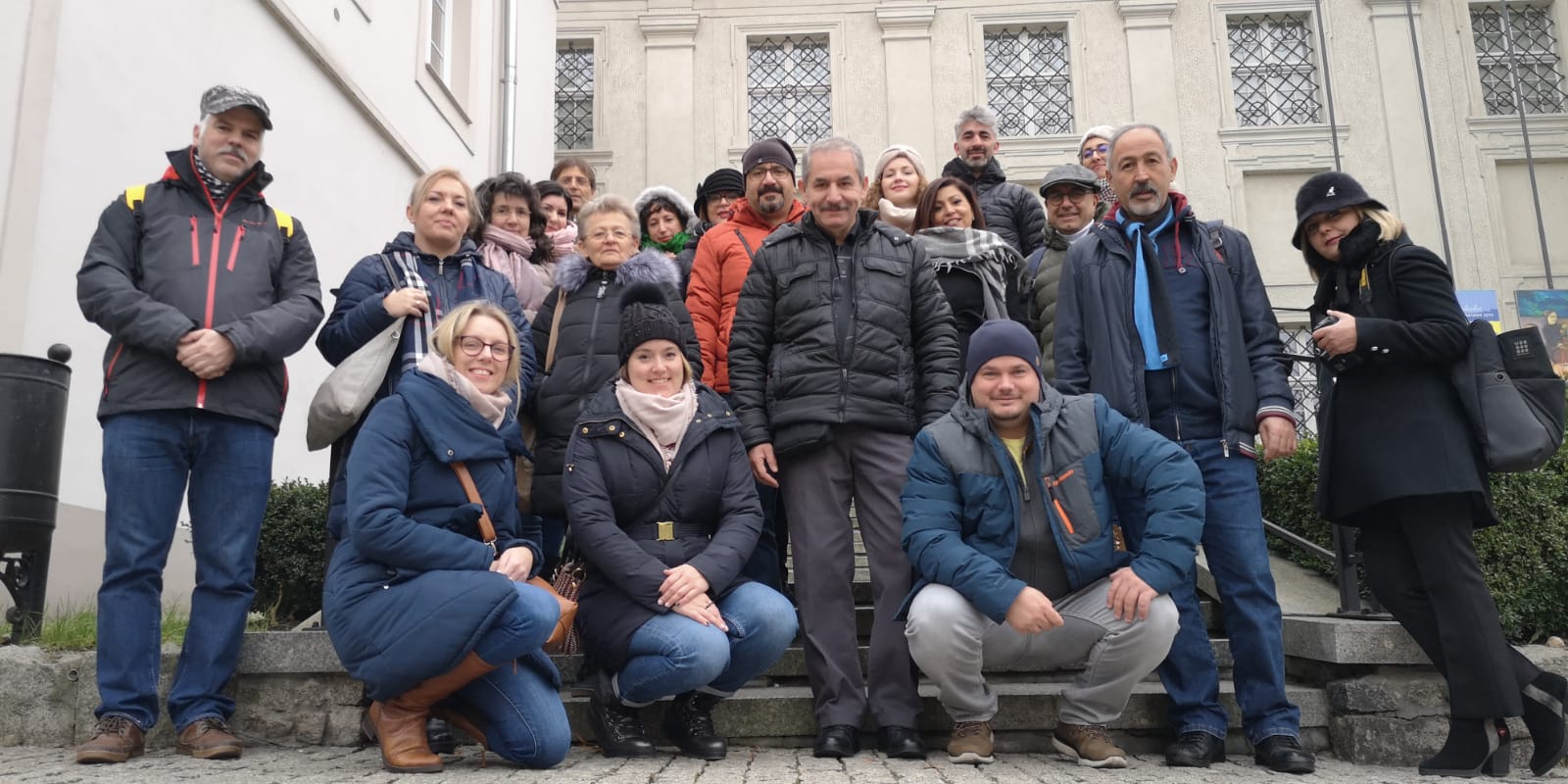
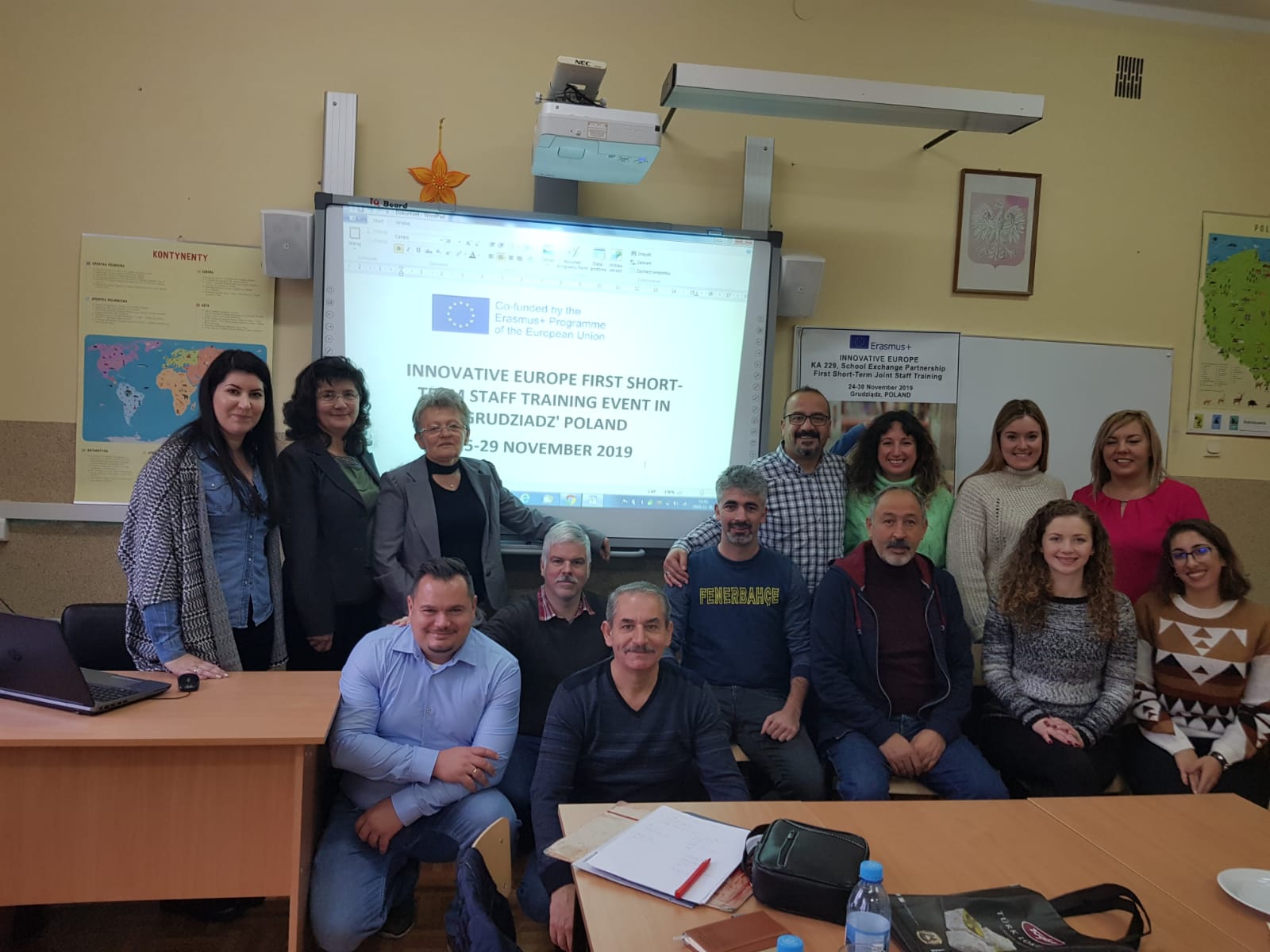
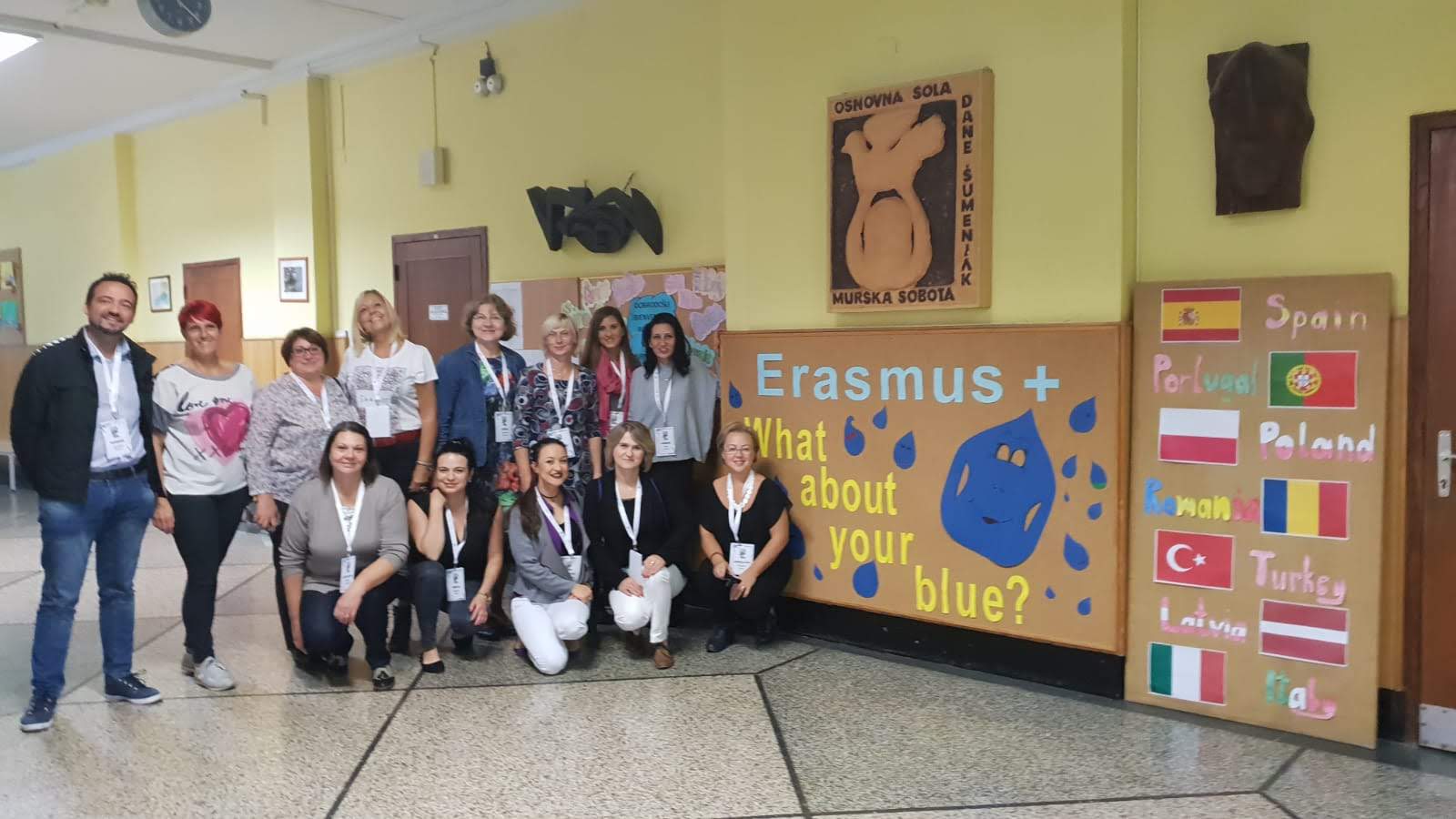
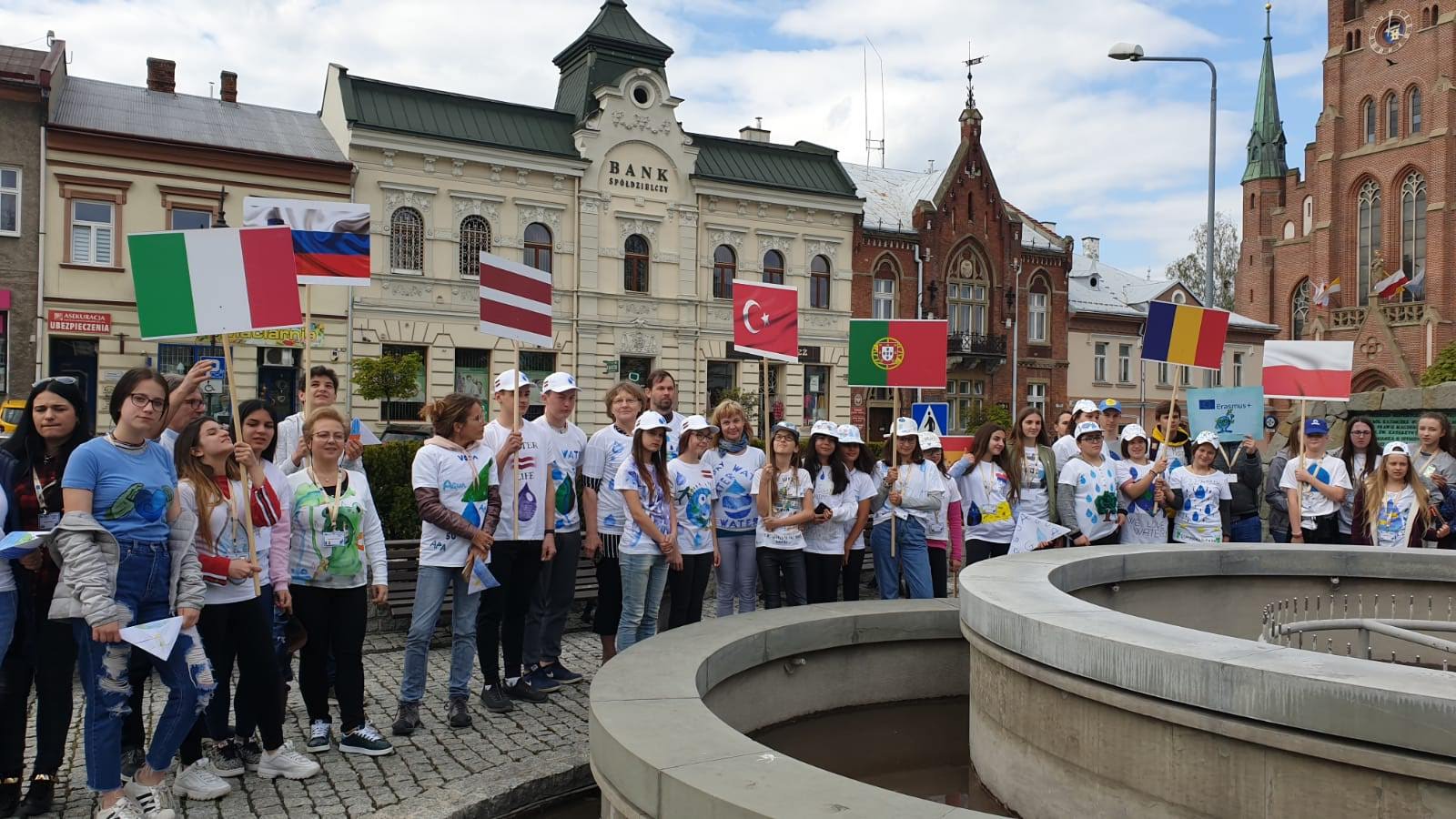
A school cooperation project focused on the responsible use of water and cultural exchange among young Europeans.

Students in Years 8 and 9 worked with pupils from other European schools and had the opportunity to discover different educational, social, and cultural realities. The project was co-funded by the European Union.
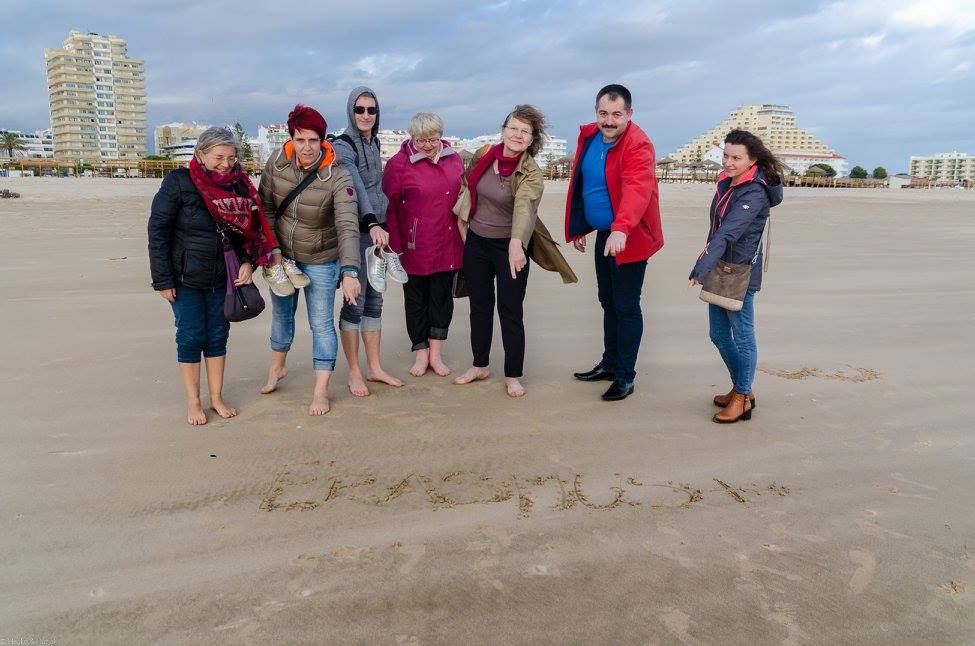
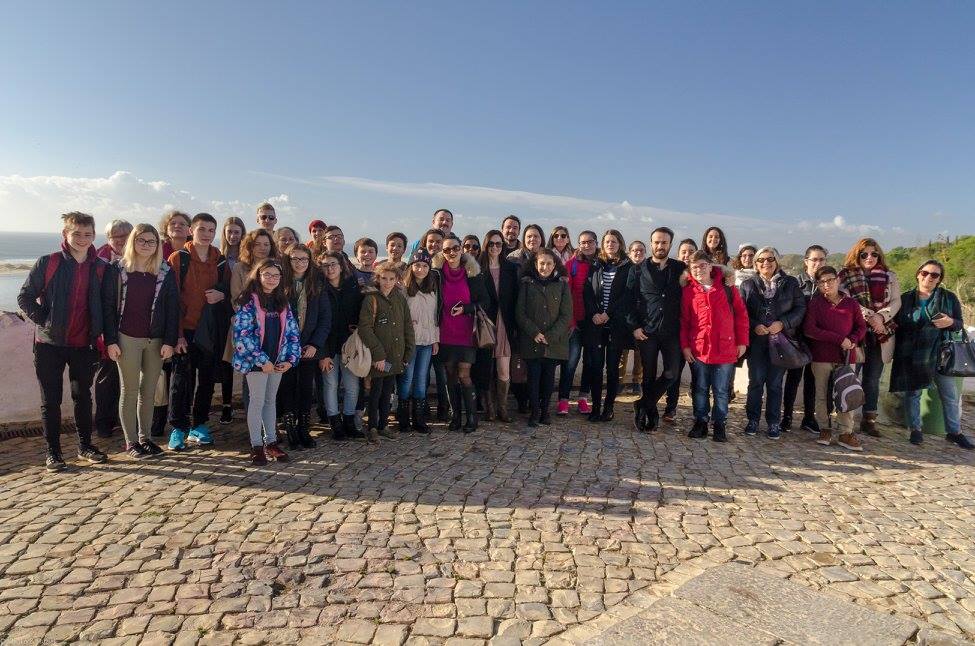
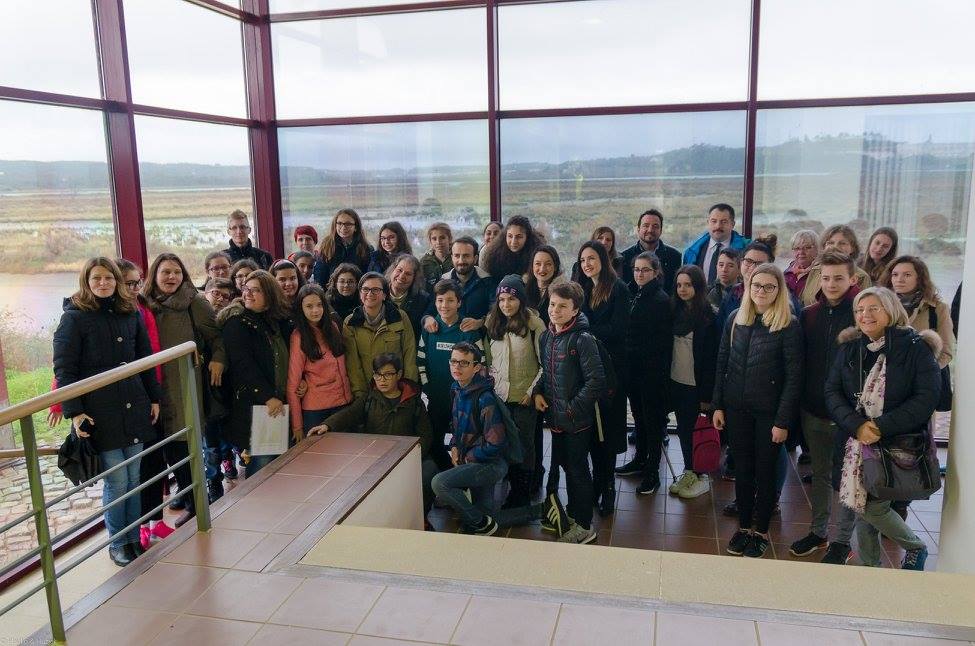
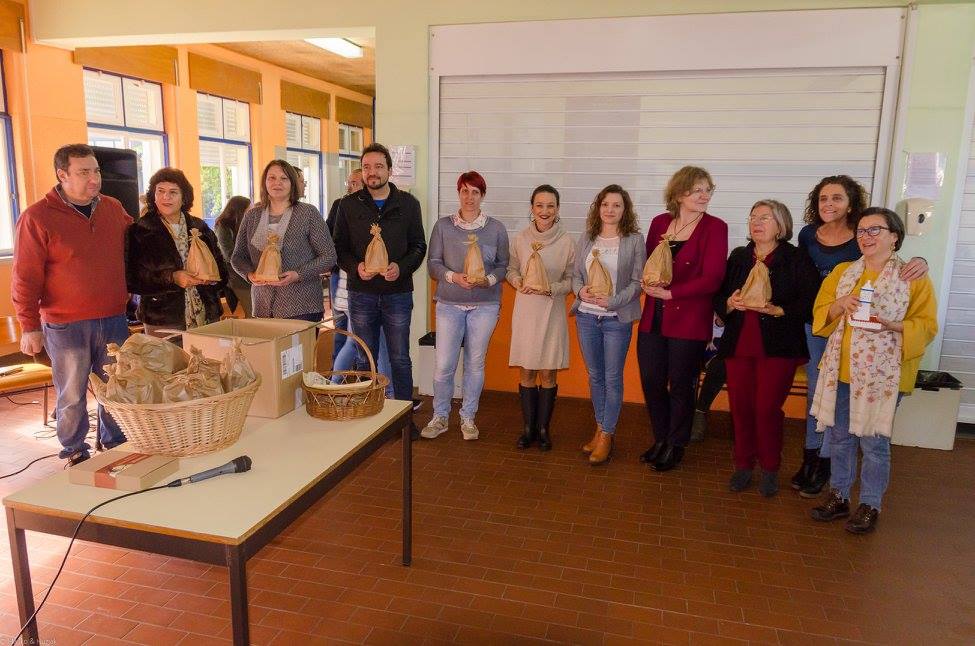
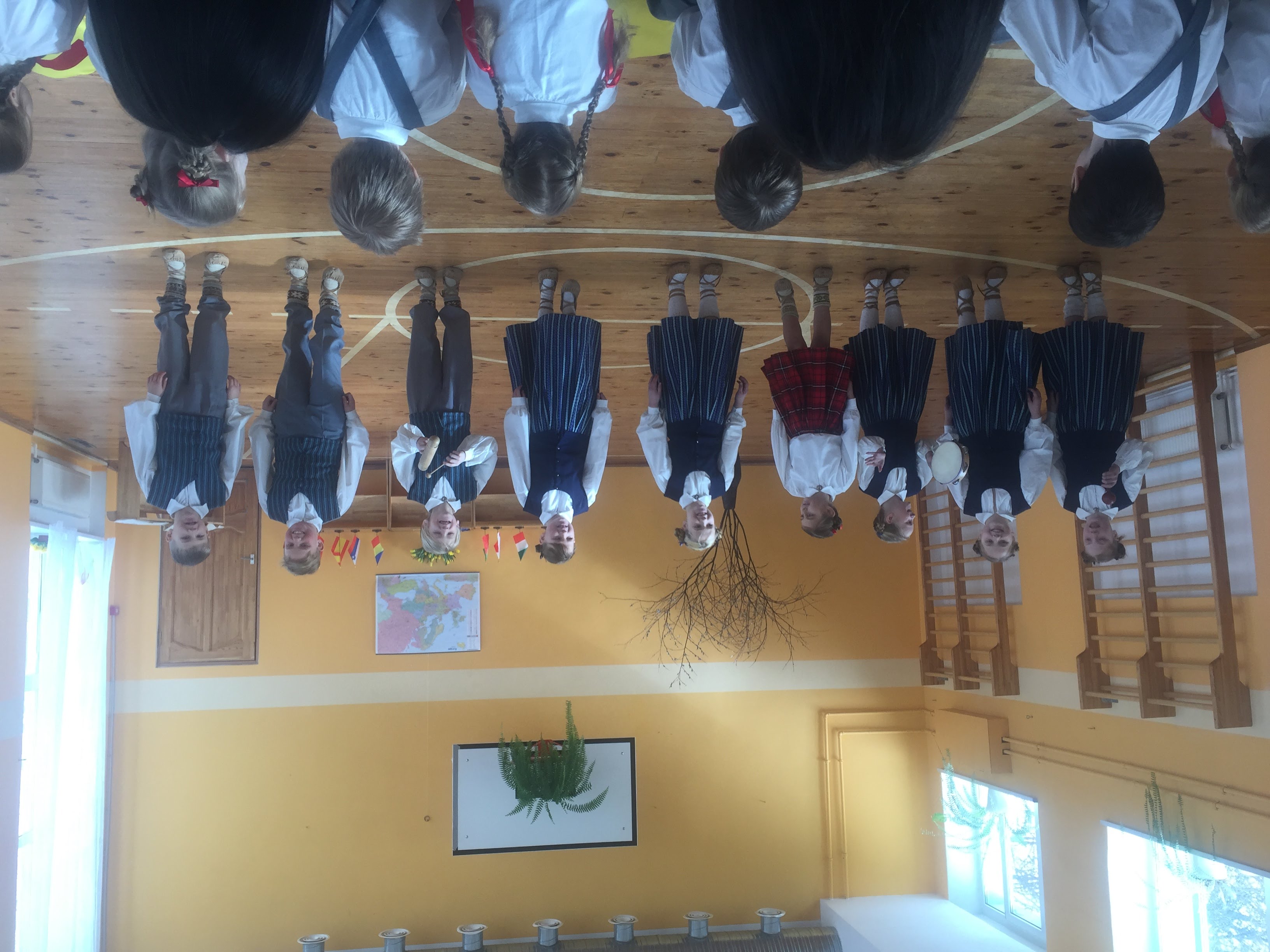
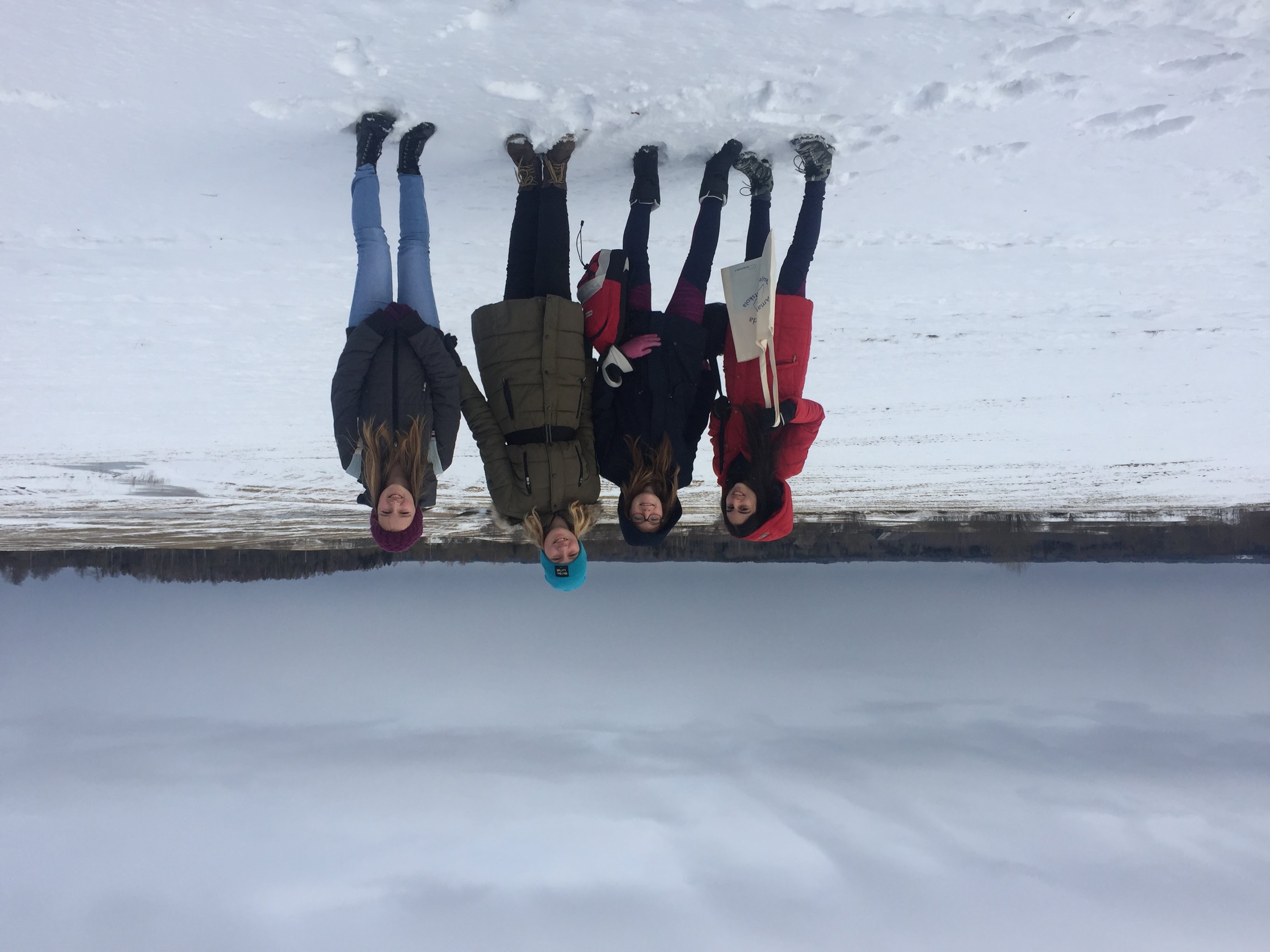
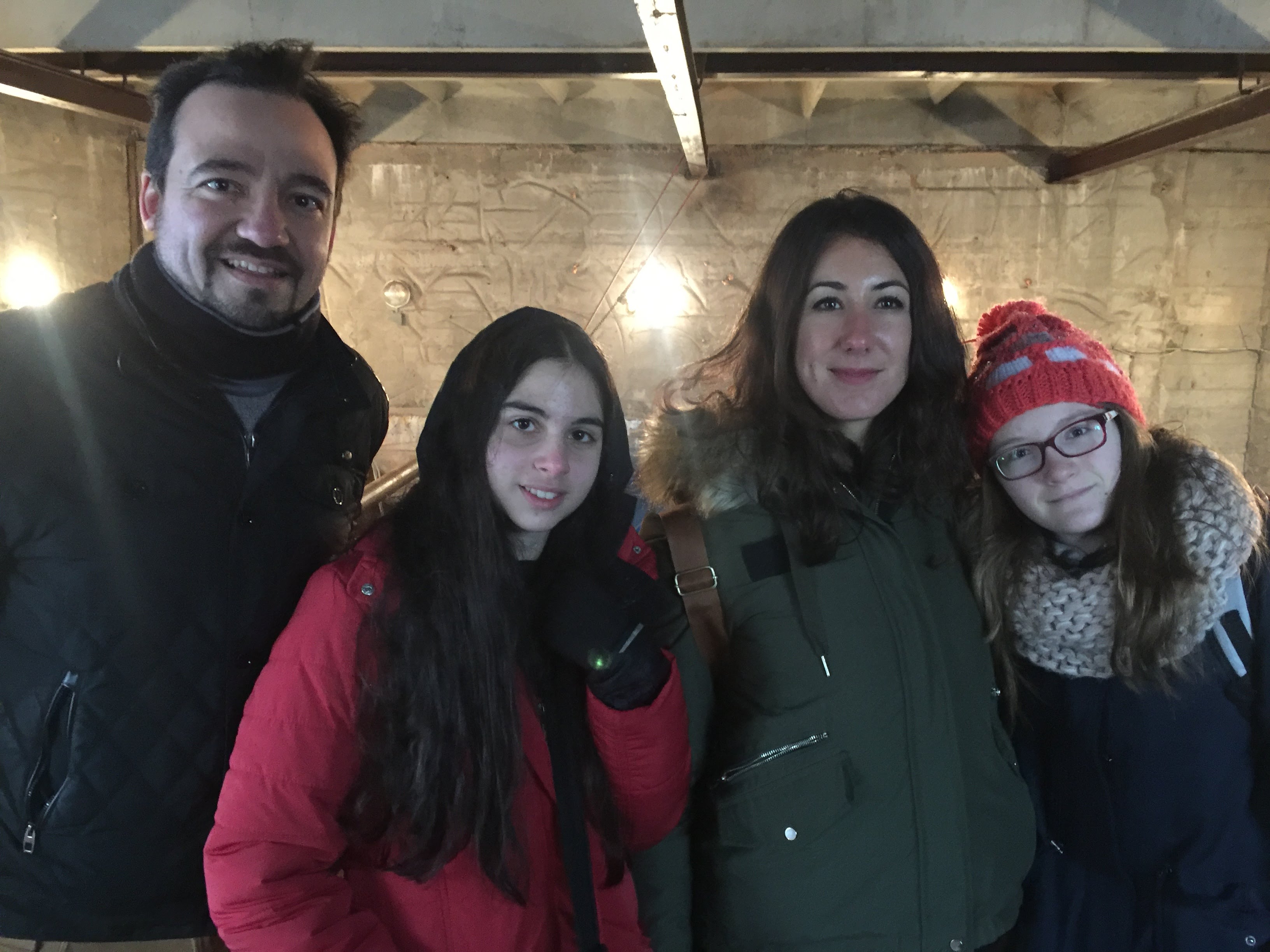
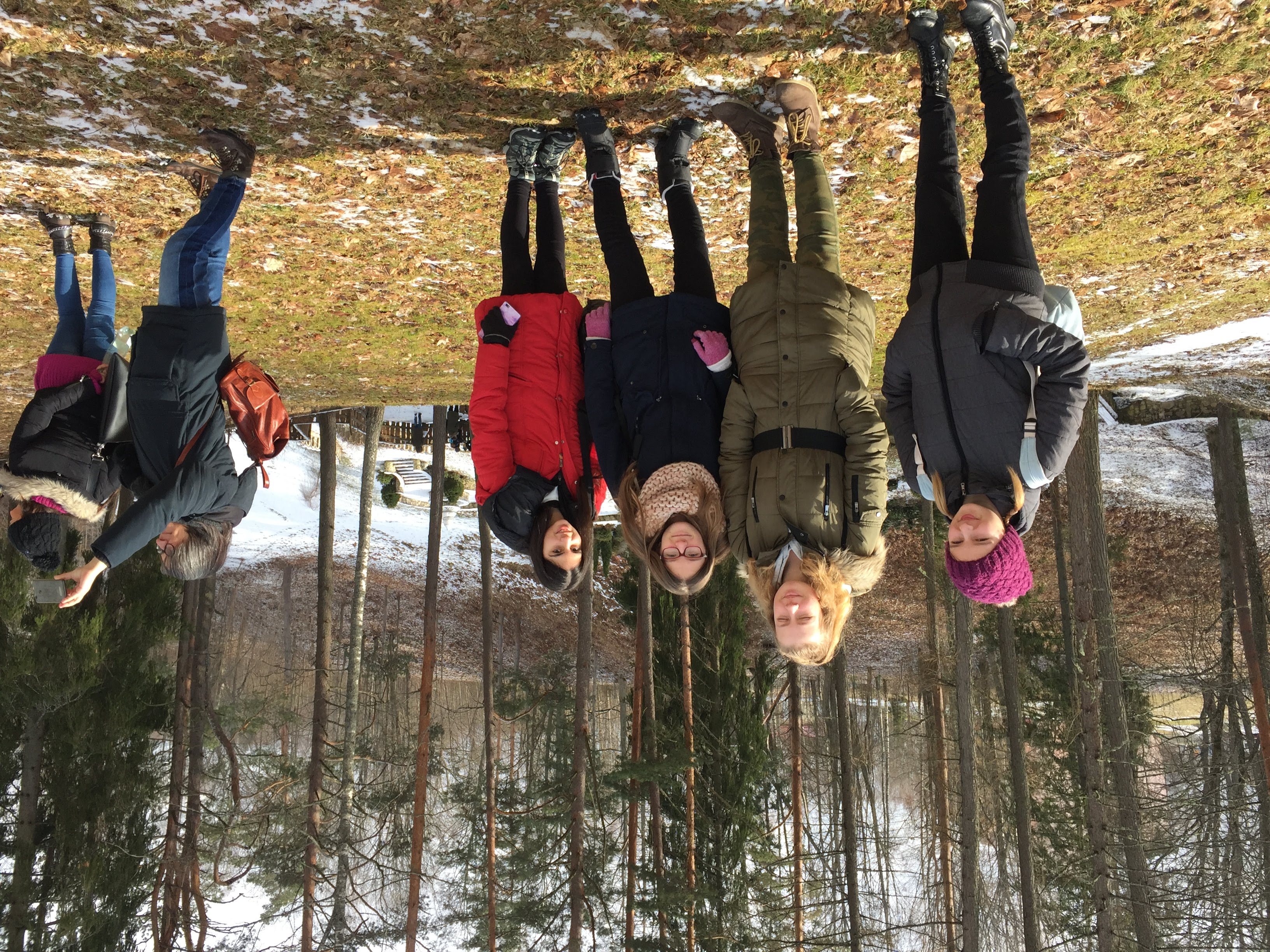
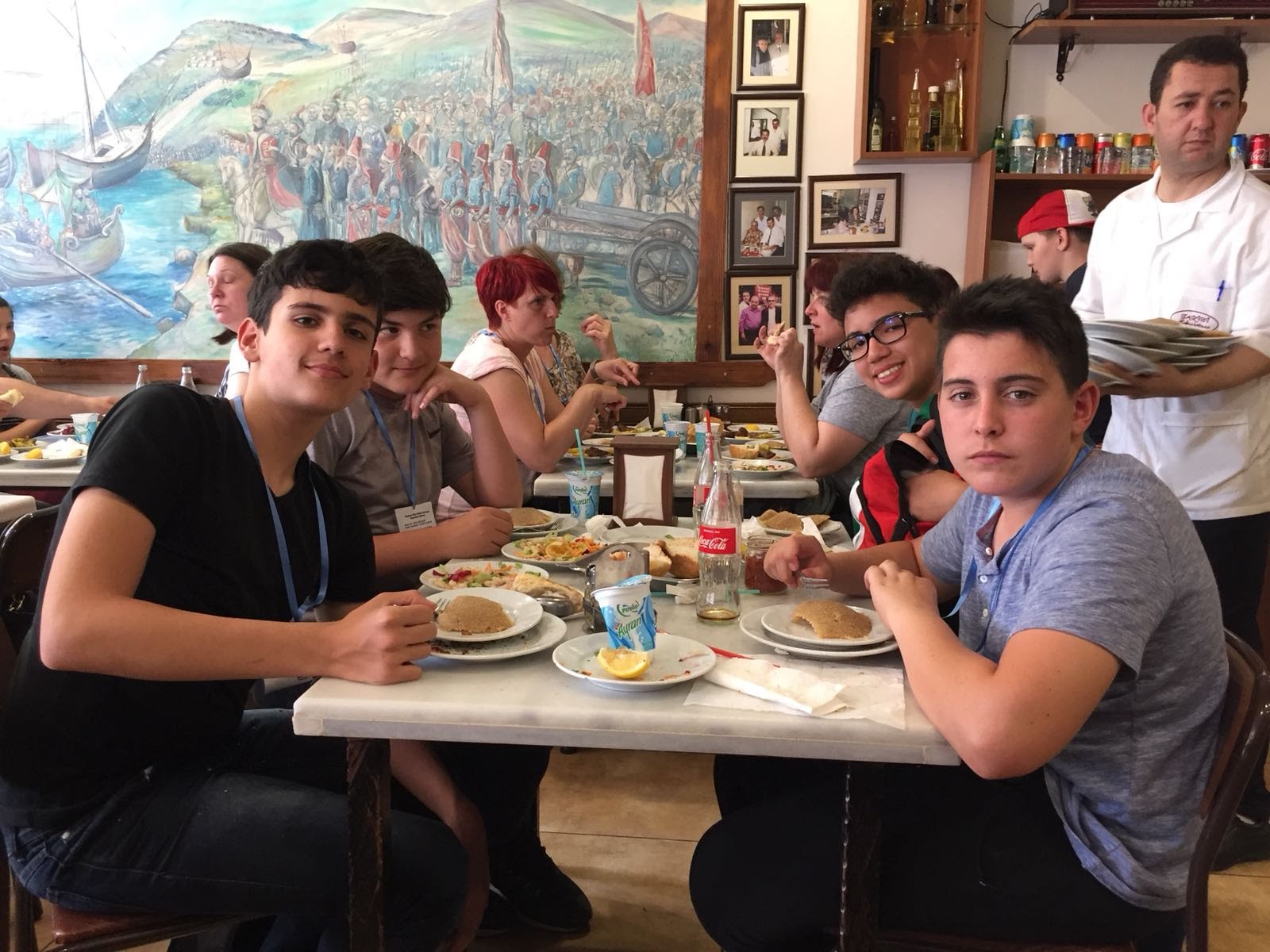
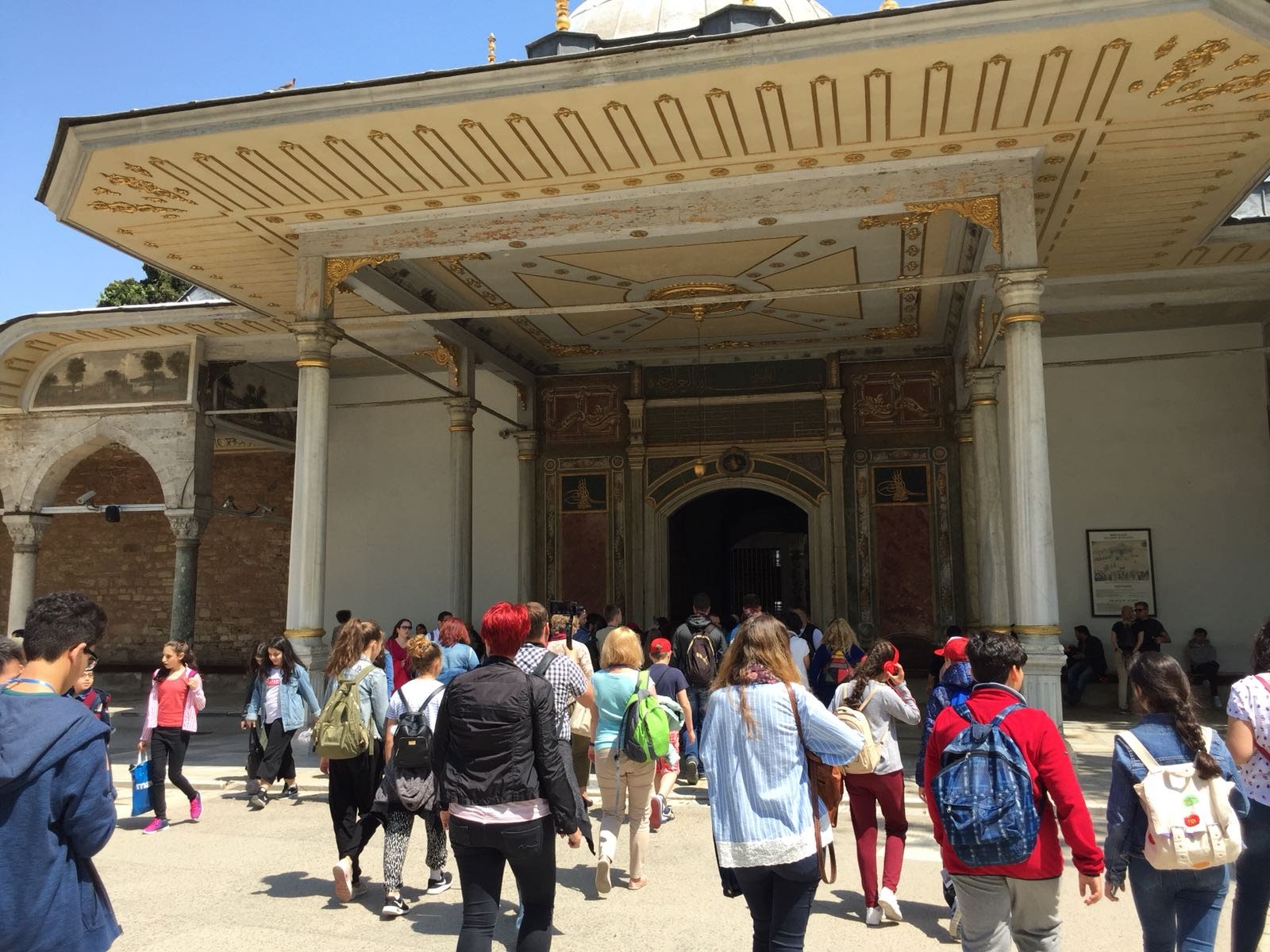
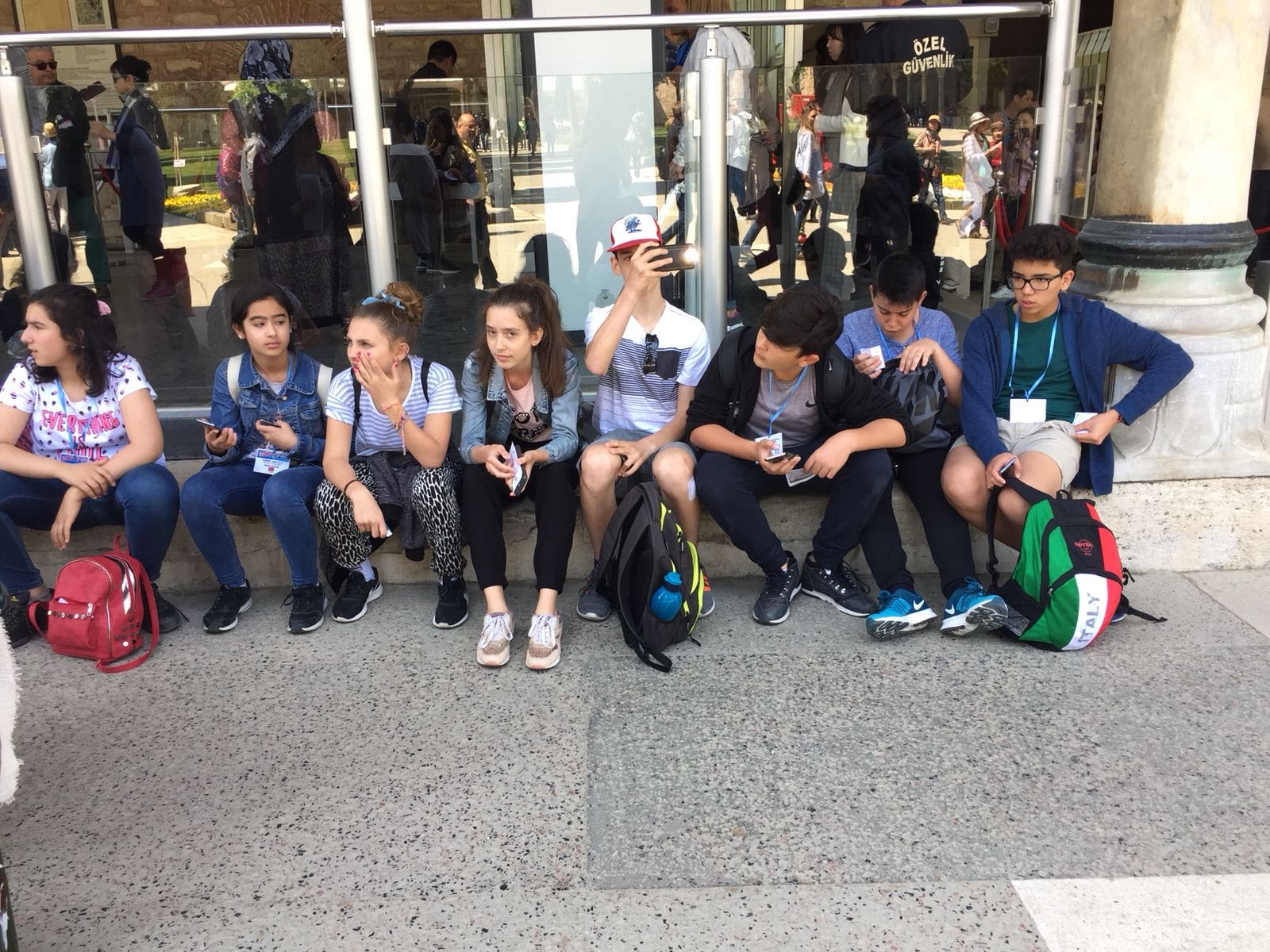
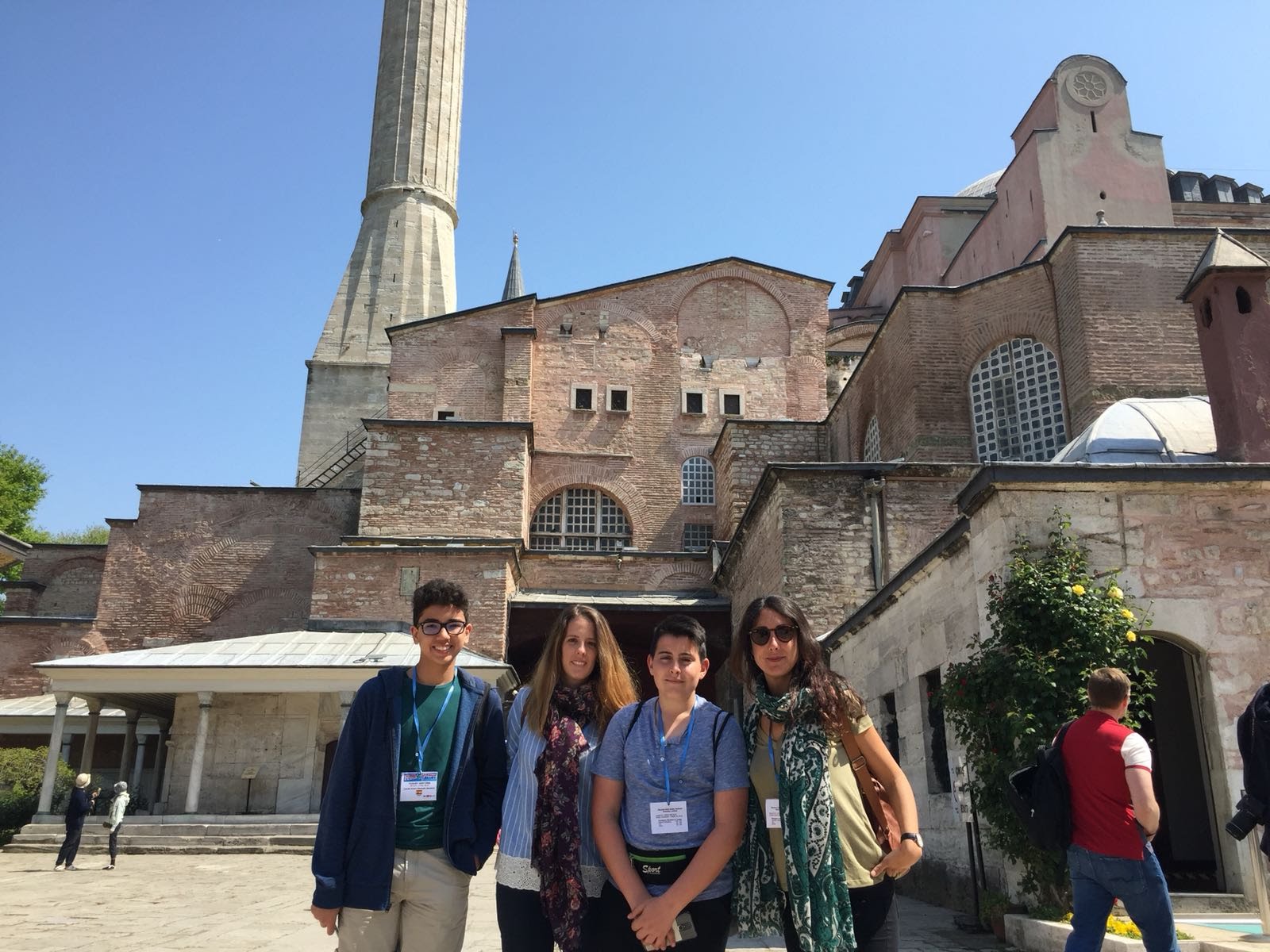
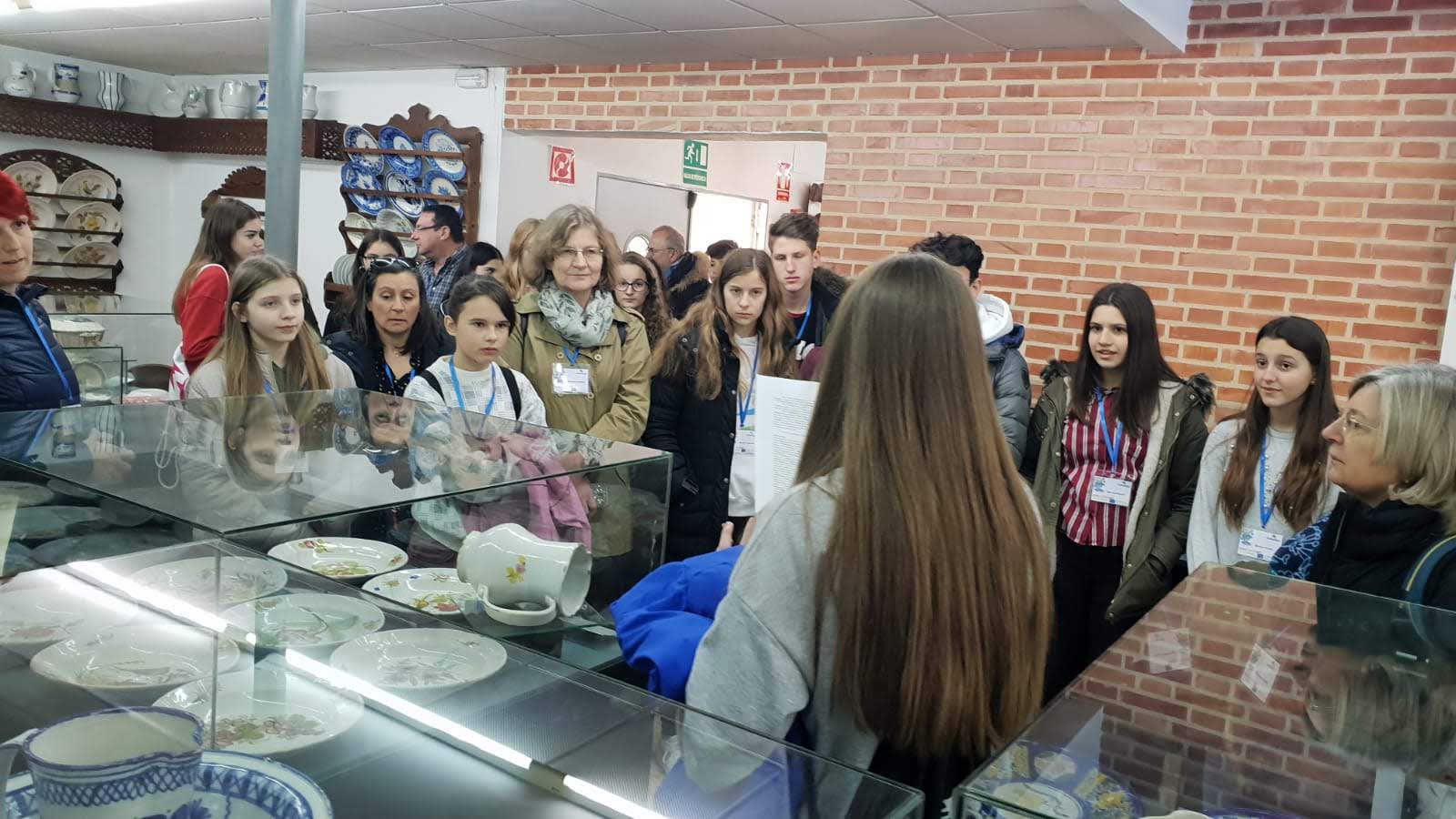
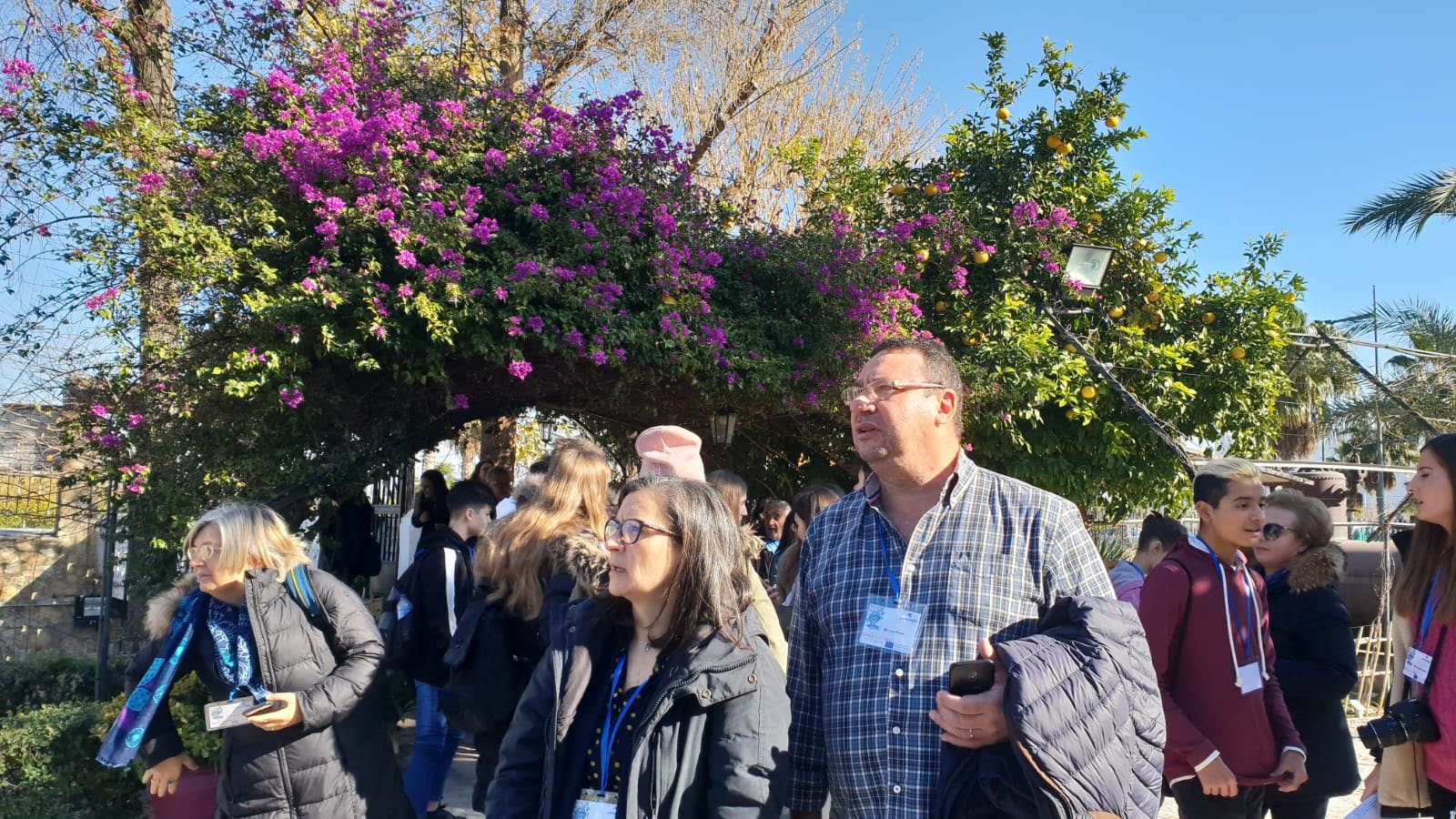
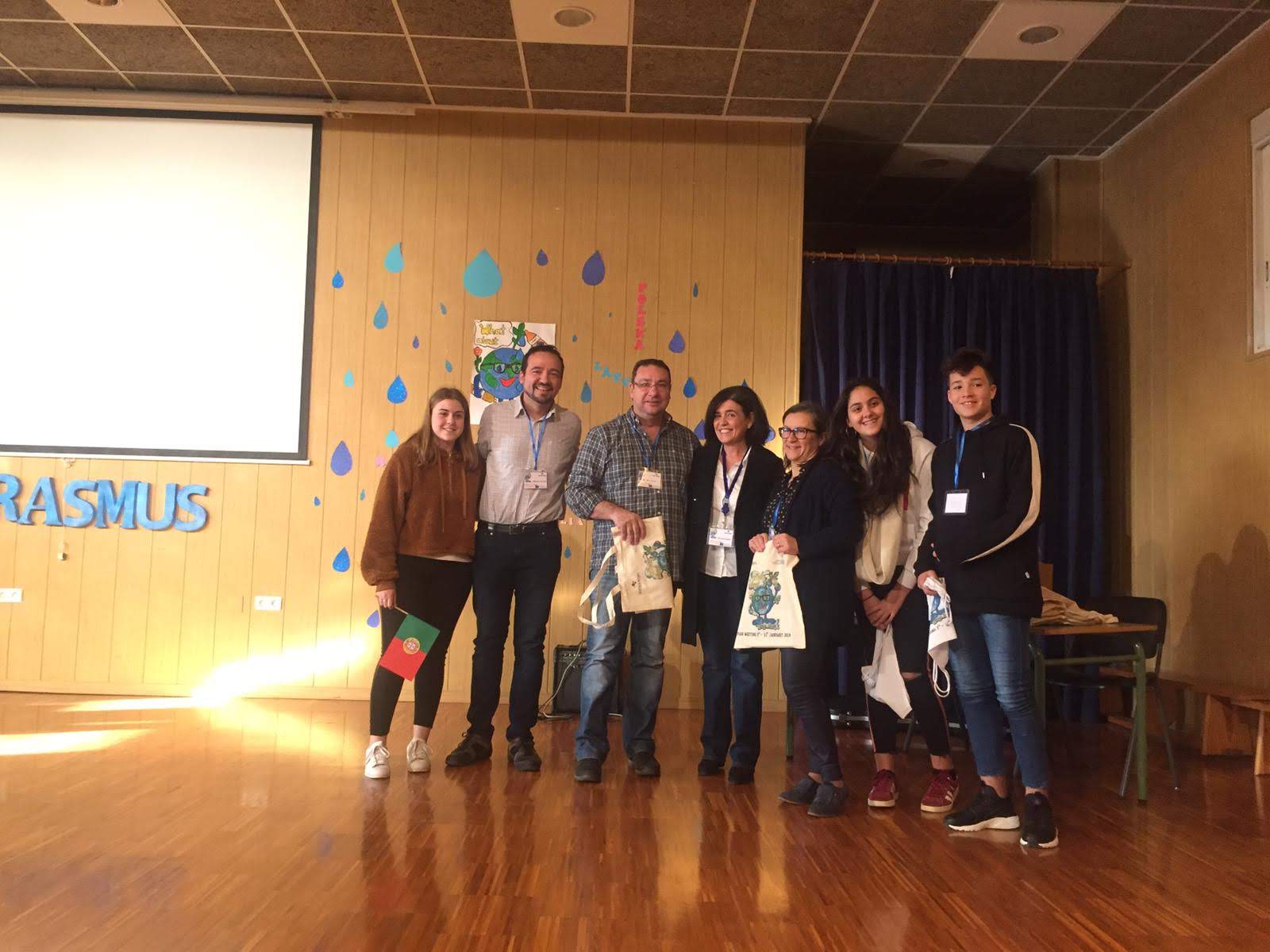
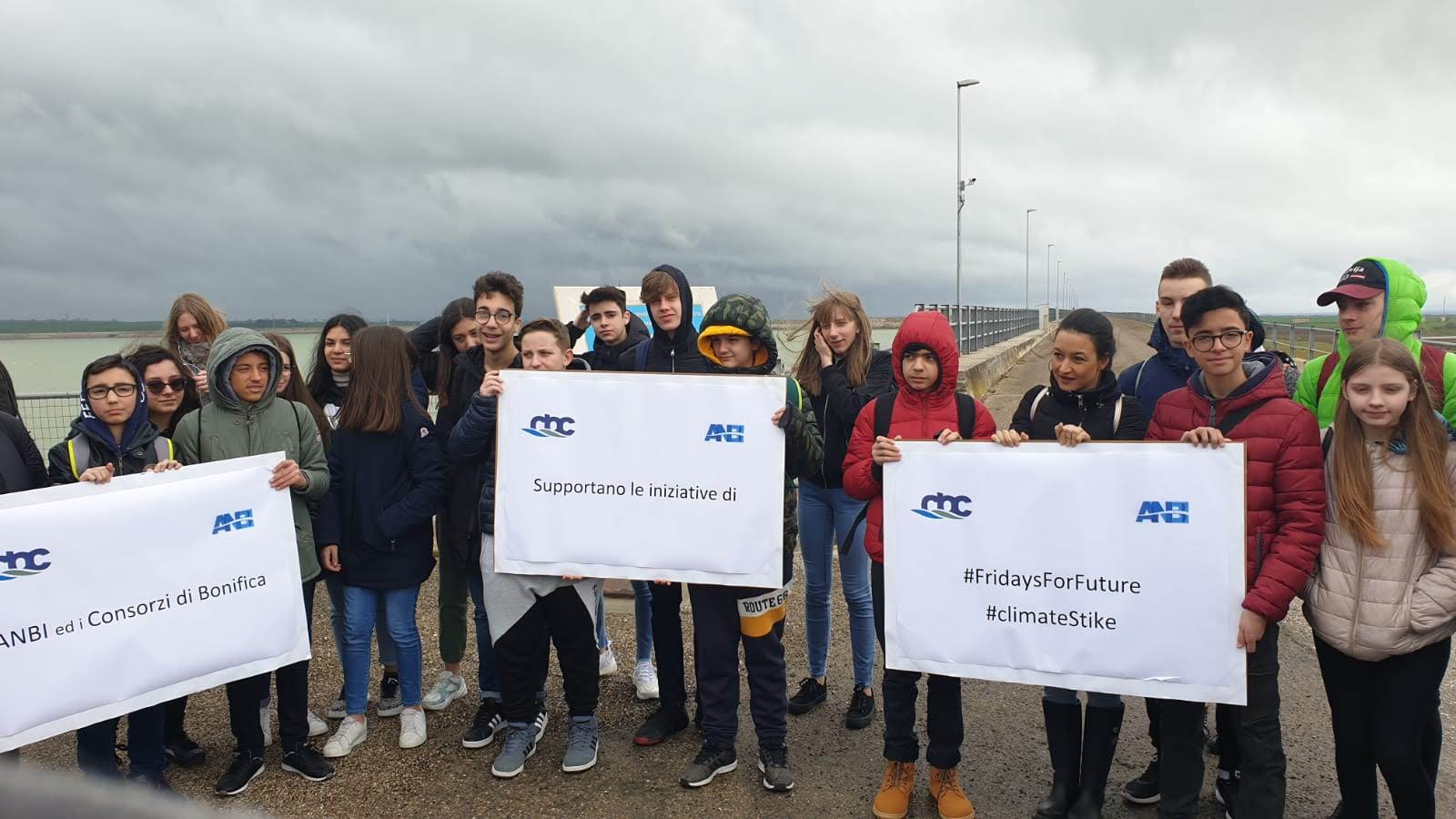
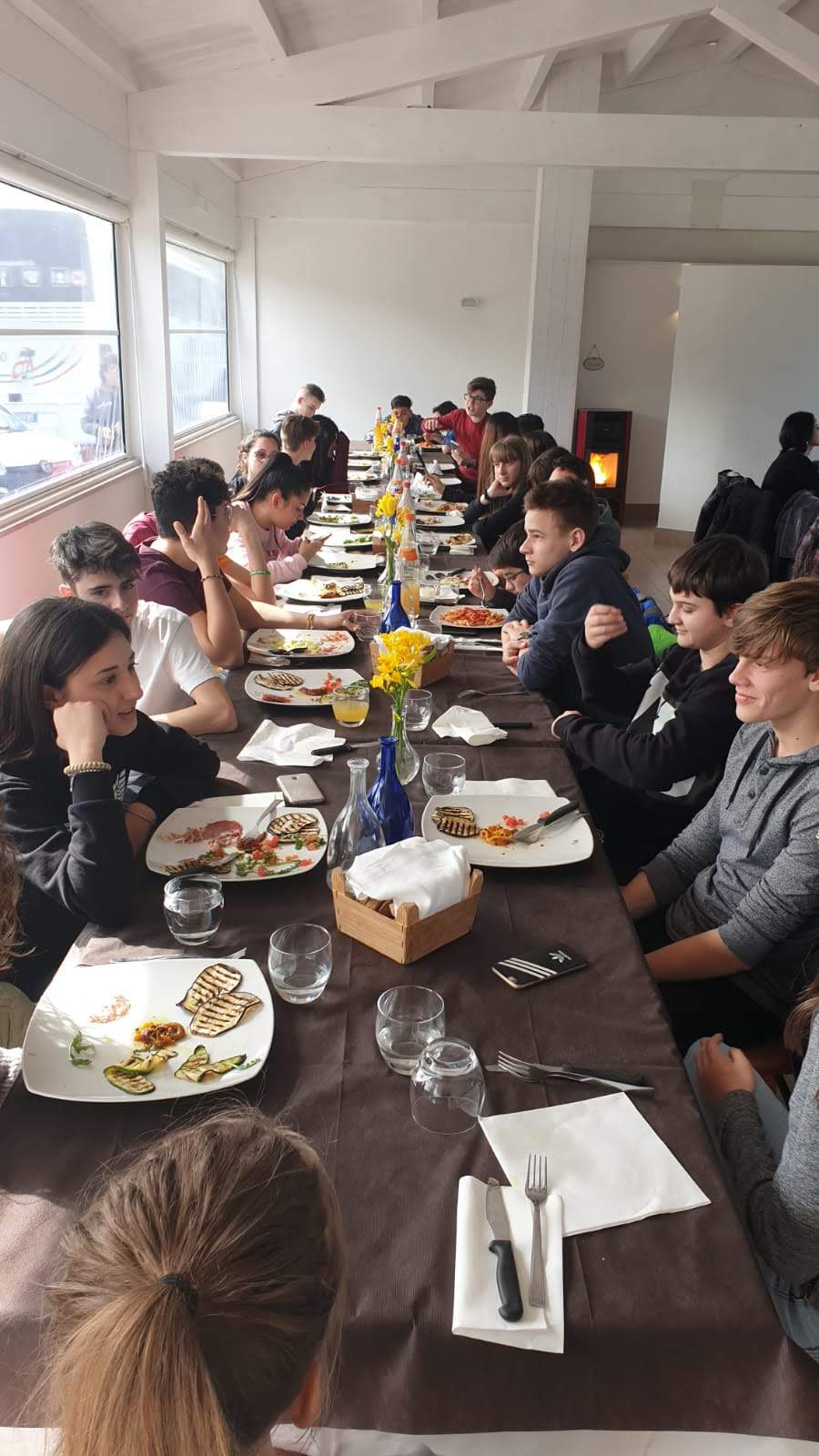
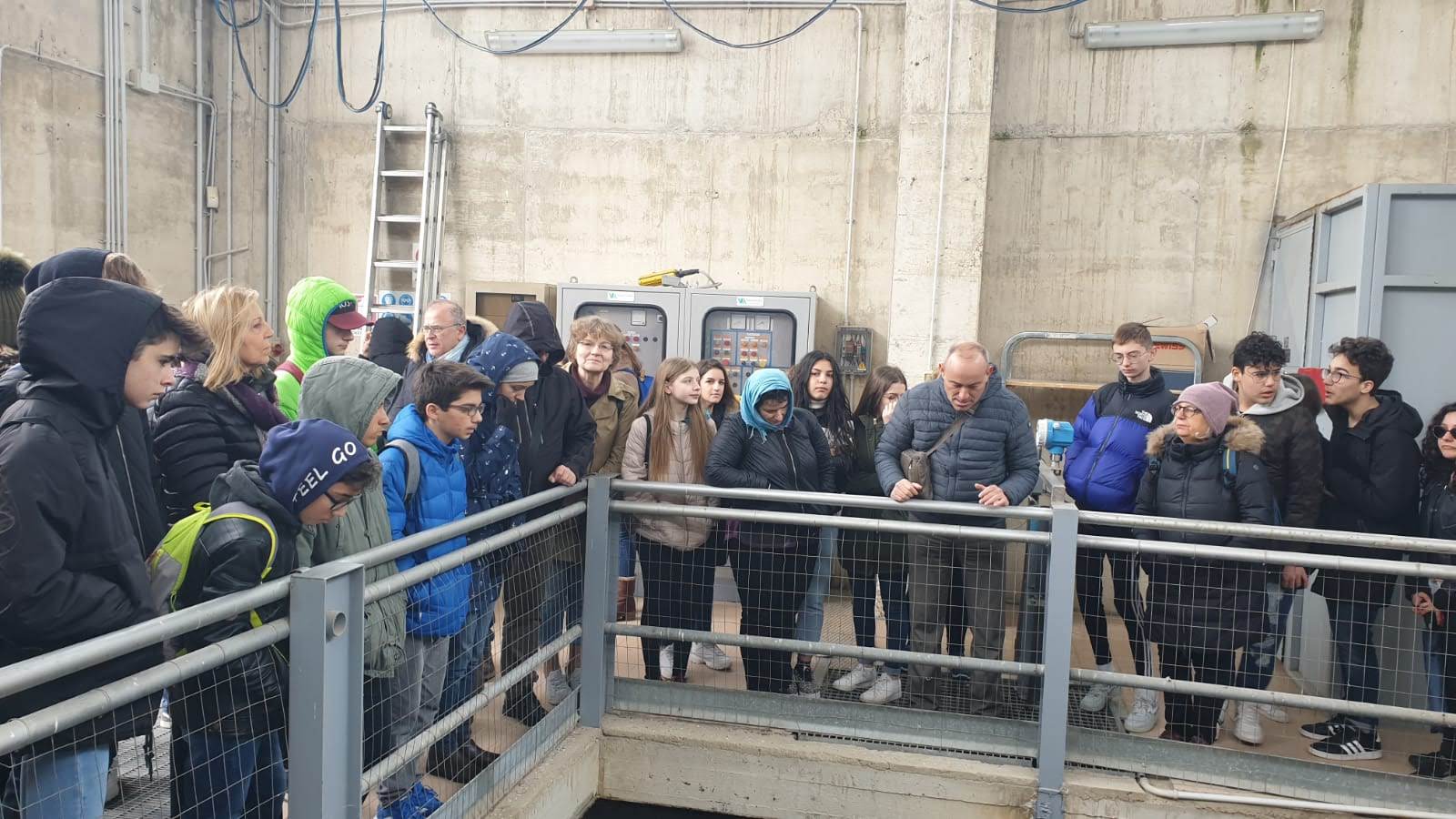
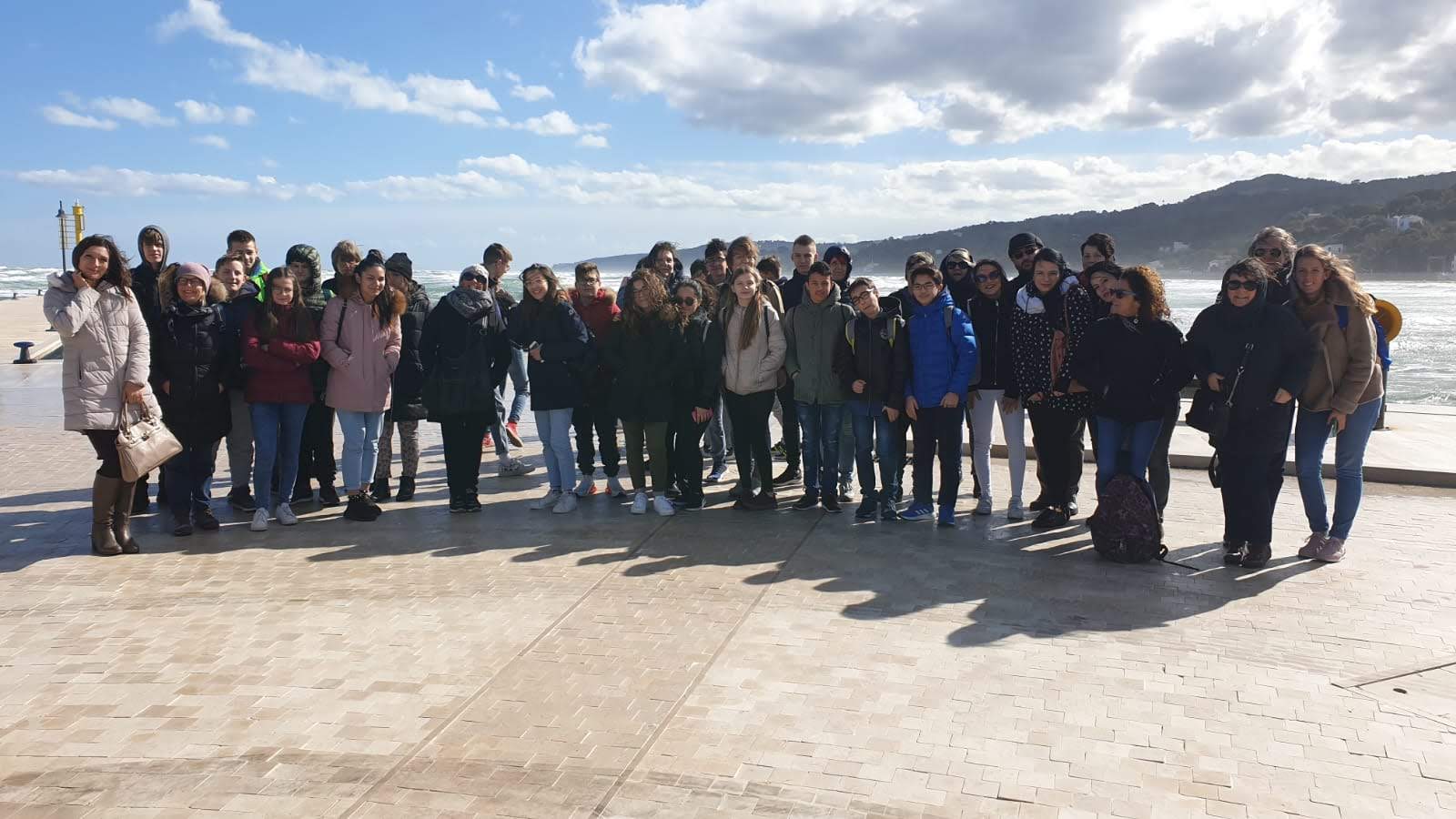
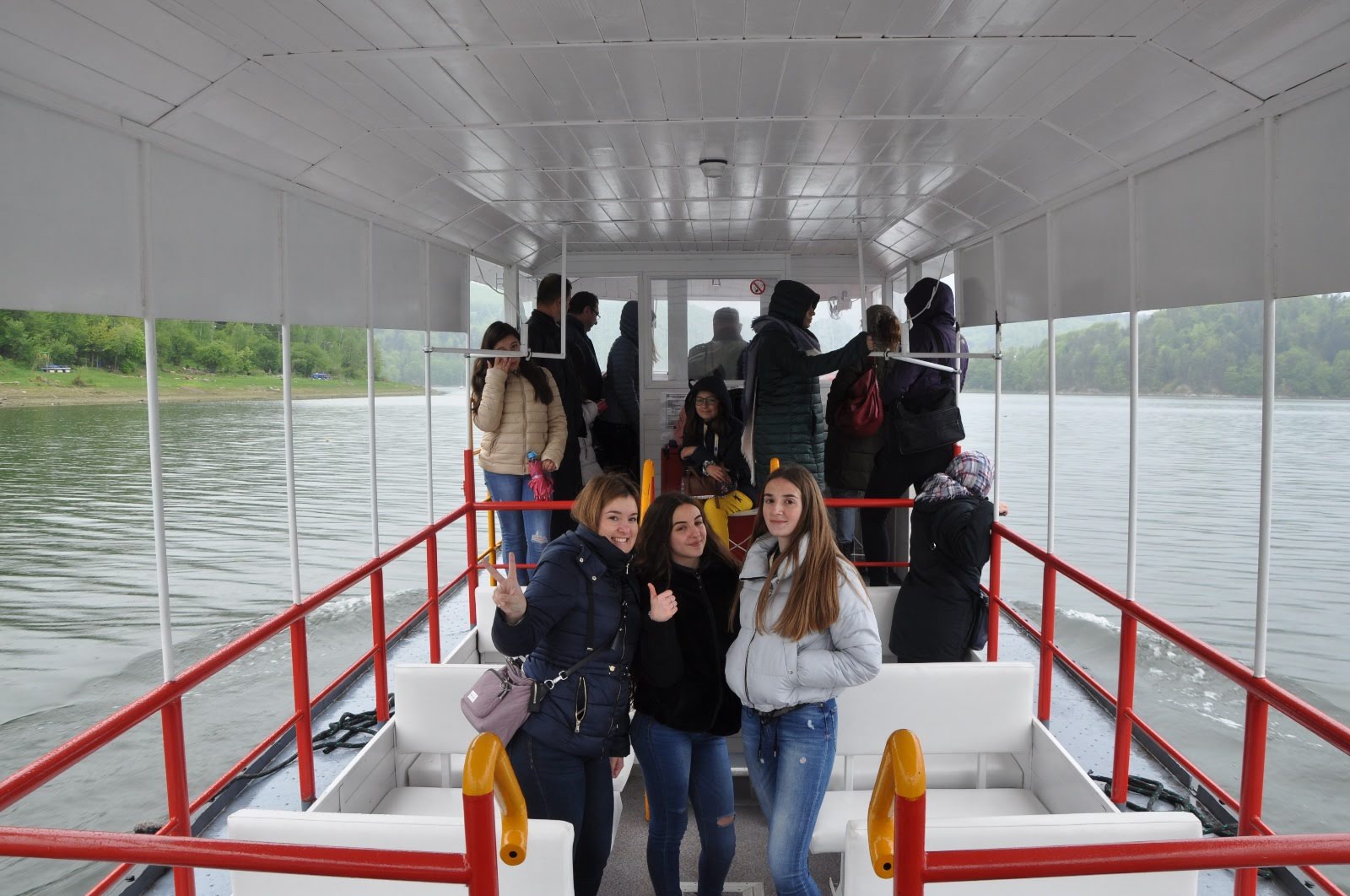
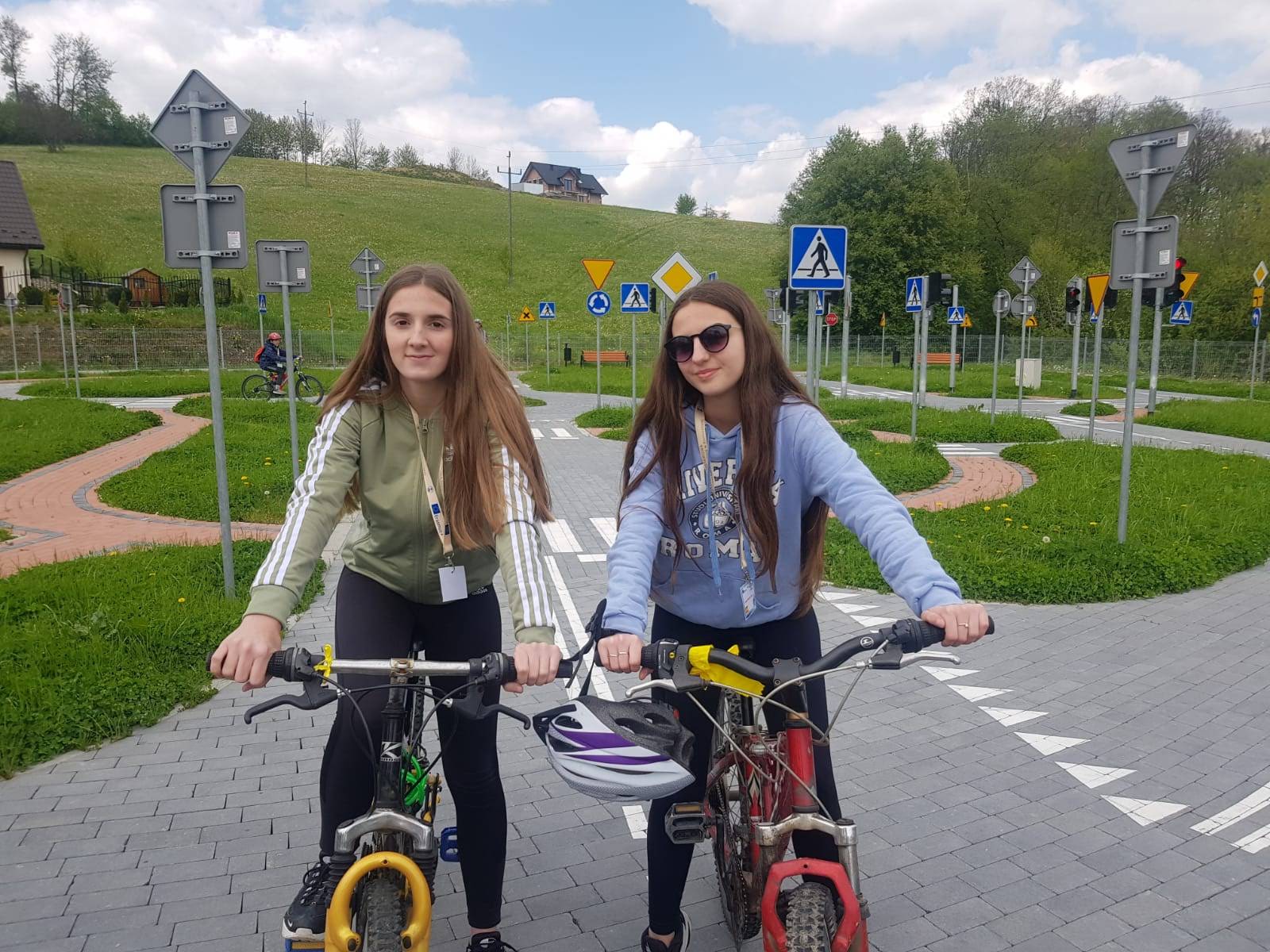
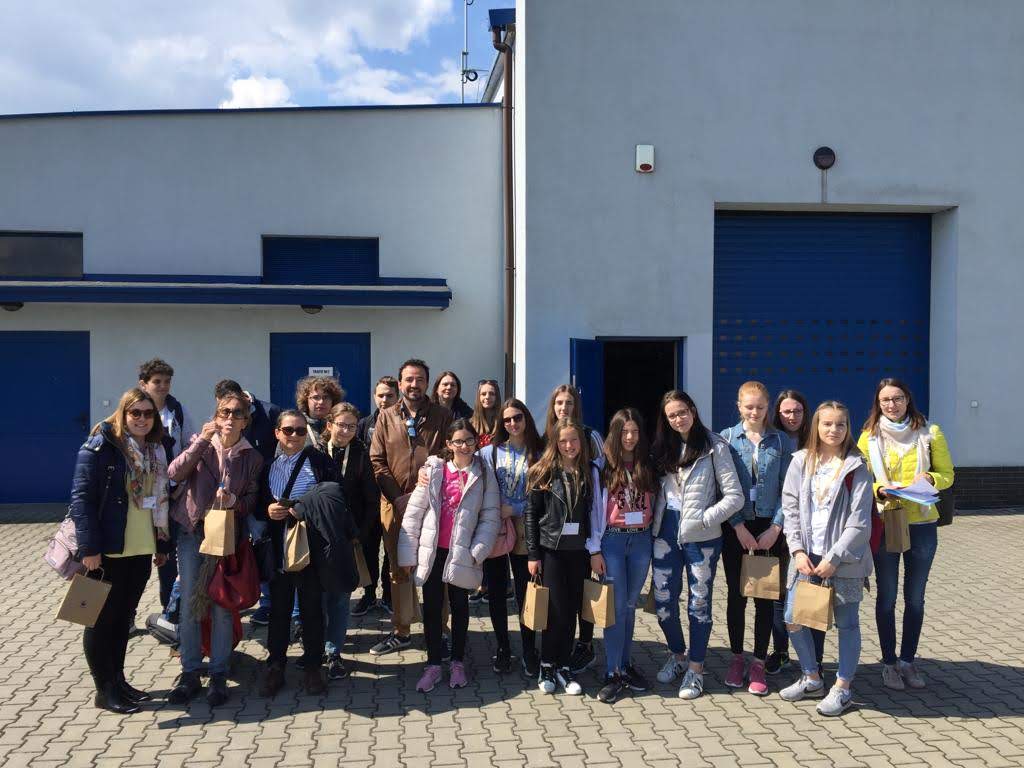
Twenty-eight moments from the meetings held in Portugal, Latvia, Türkiye, Slovenia, Spain, Italy, and Poland.
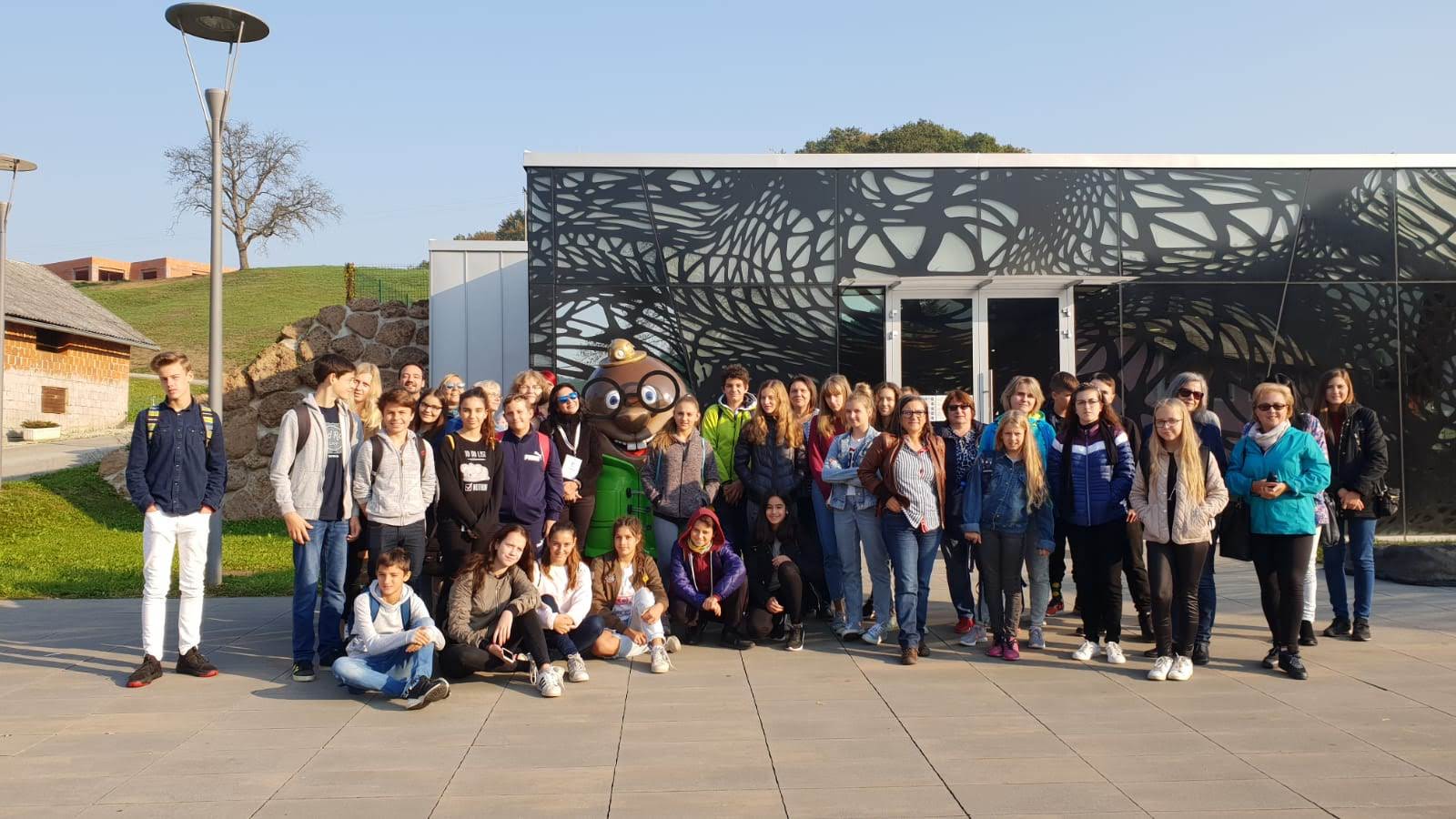
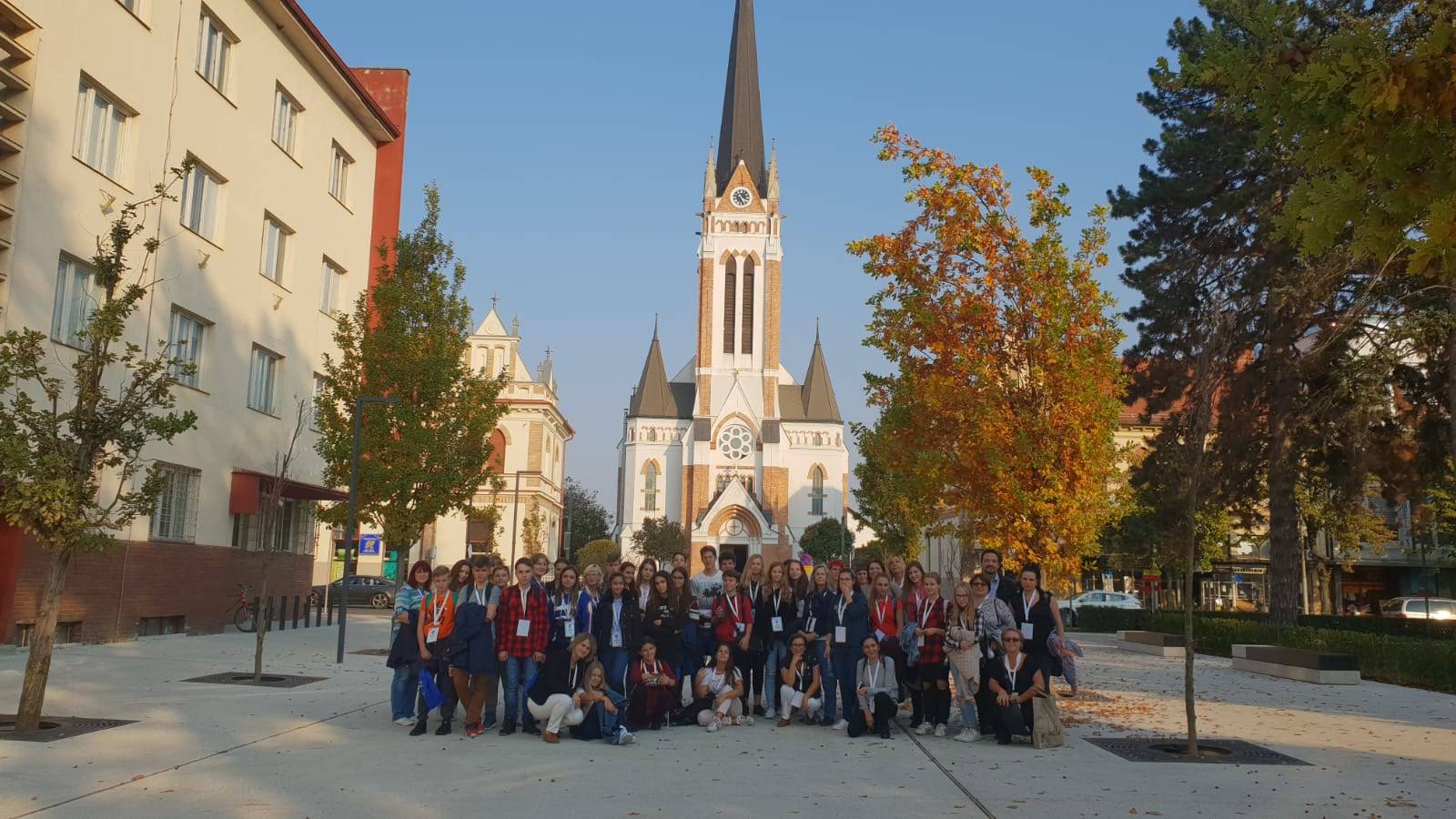
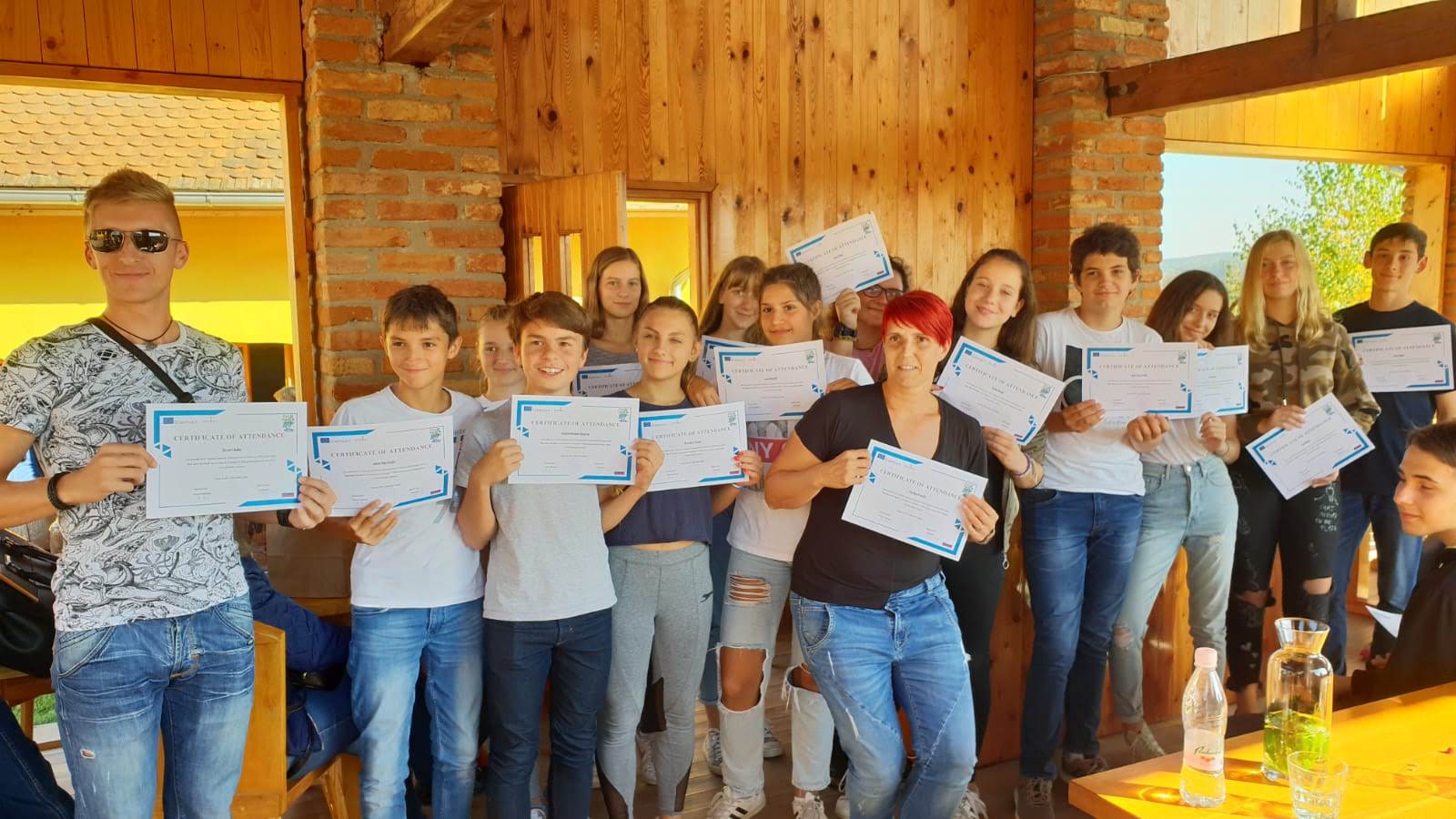
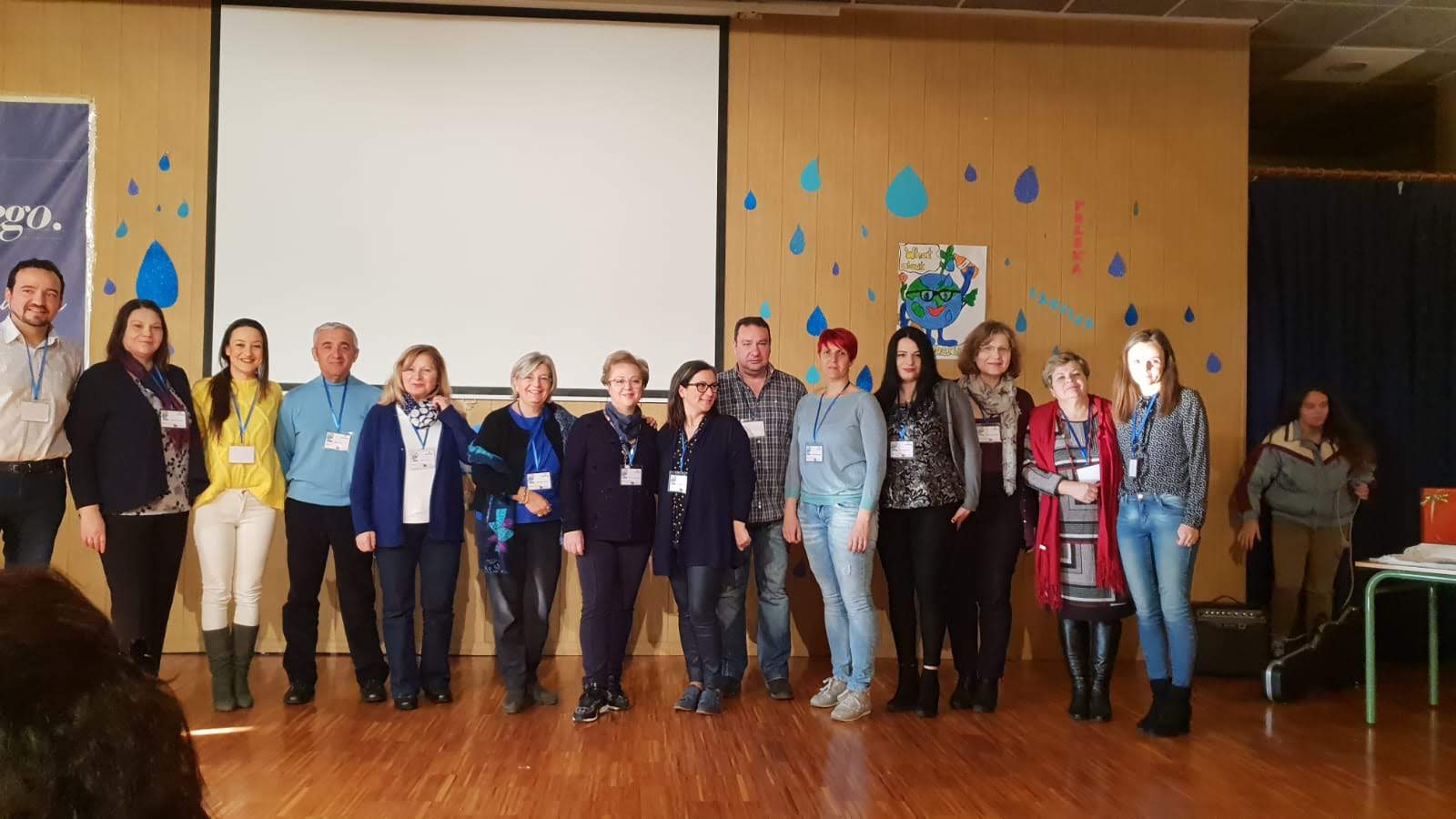
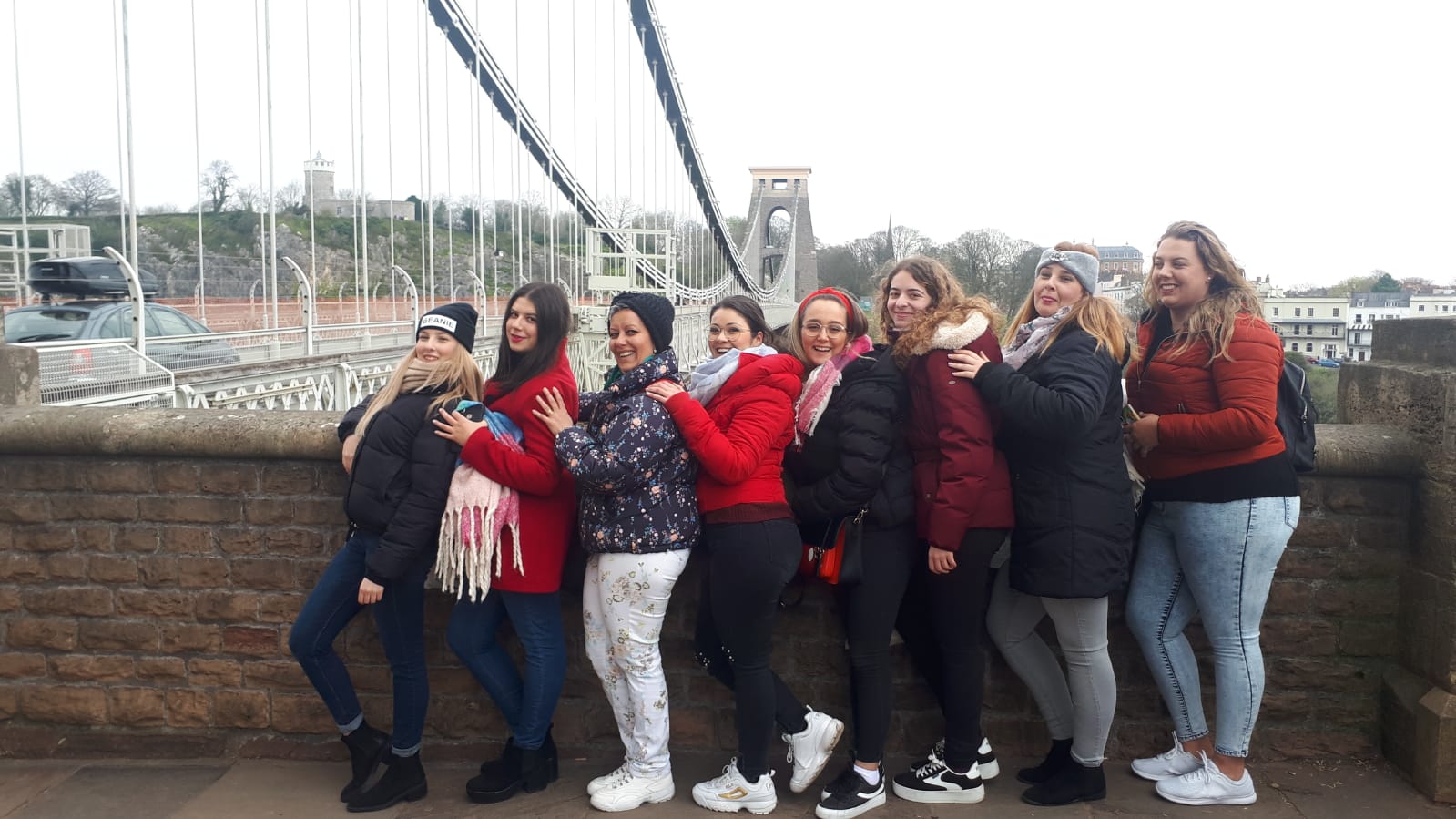
KA1 mobilities enabled VET students to complete part of their training in workplaces in the United Kingdom, gain independence, and put their knowledge into practice in an international environment.
Three Administrative Management students completed 100 hours of workplace training over one month.
Two Administrative Management students and three Auxiliary Nursing Care students completed work placements in organisations across the city.
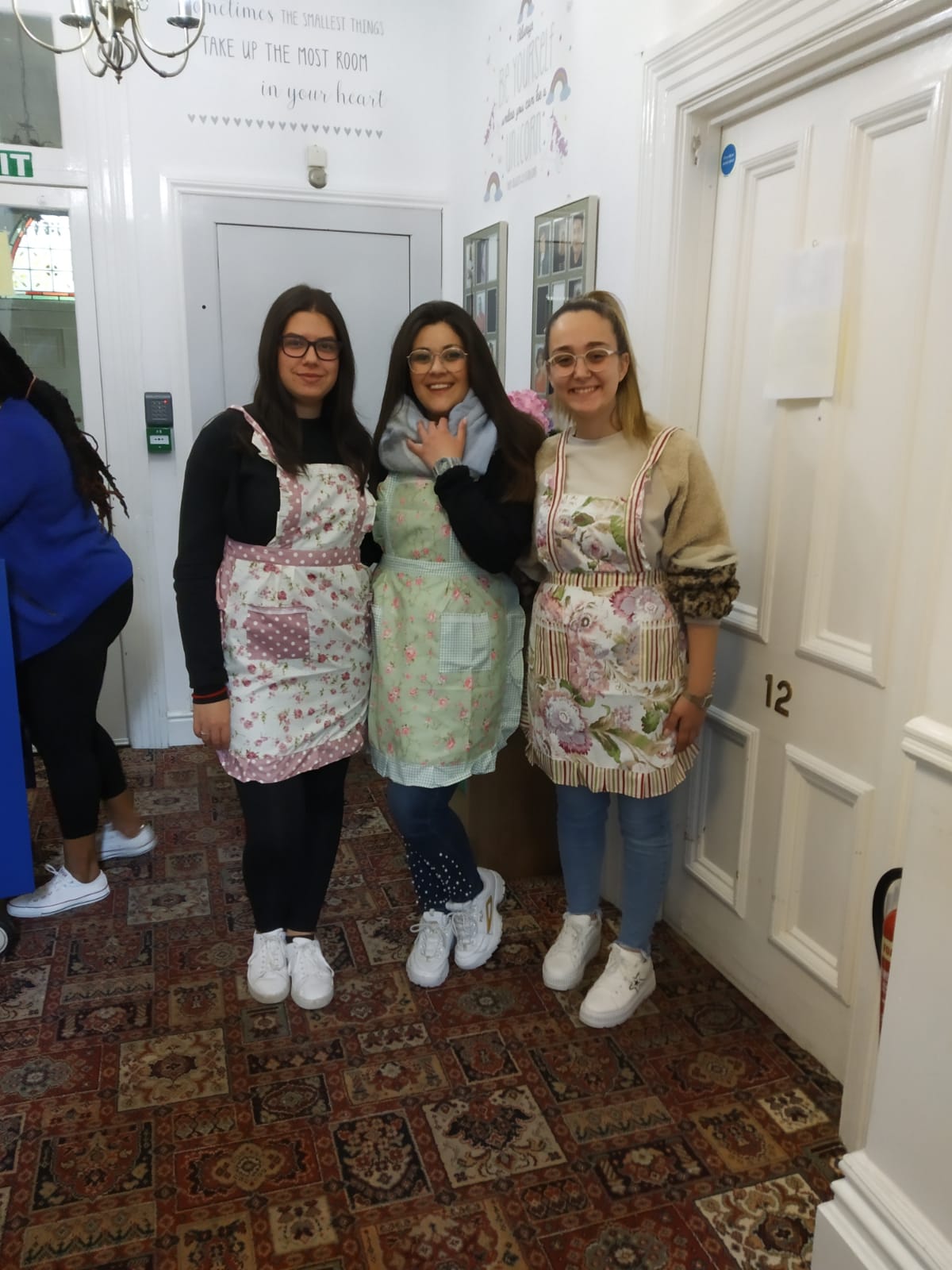
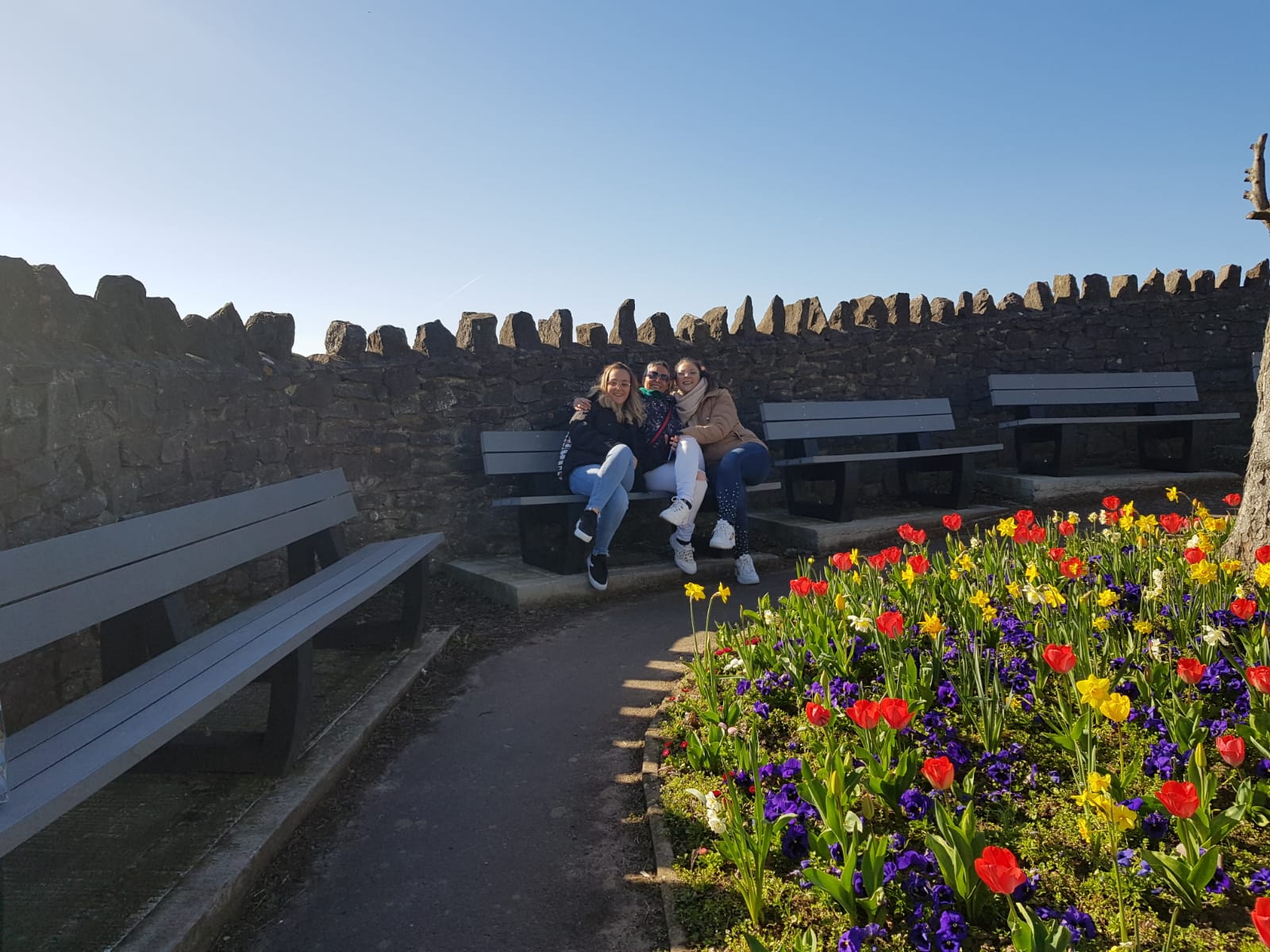
Educational experiences that continue to shape students long after they return home.
Using other languages in real-life situations to communicate, collaborate, and solve everyday problems.
Confidence, initiative, and the ability to adapt to new environments.
Professional skills and practical experience in international settings.
Respect, cooperation, and openness to different cultures and ways of learning.